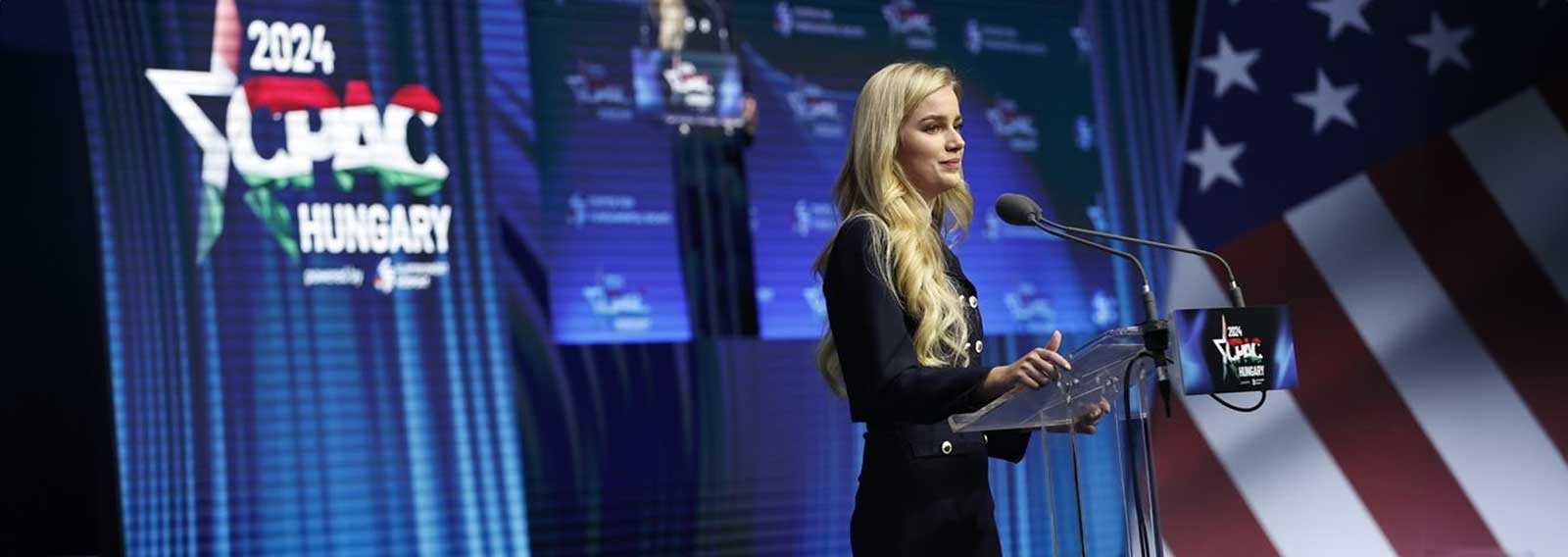


Australian MP Andrew Hastie recently observed that “theology has public consequences,” and that statement is profoundly true. It is true not only of Islam, but of every worldview and system of thought—because theology is inescapable.
Even the most ardent atheistic or materialist system begins with a theological claim: a definition of who God is, or a denial of who He is. That foundational claim shapes everything that follows. It determines a system’s moral framework, its definition of the good, and its understanding of law, authority, and human purpose.
Every system, without exception, has a defining theos at its core. To identify the god of a society, one need only identify its ultimate source of law. Whatever is treated as the supreme authority—God, the state, the individual, reason, or power—functions as that society’s deity.
This is why societies shaped by Islam look fundamentally different from those shaped by Christianity, and why societies shaped by Christianity differ profoundly from those shaped by atheistic humanism. Theology does not remain private; it works itself out in culture, institutions, and public life.
The advantage we possess today is hindsight. We can look across history and around the world and examine the fruit of each system. We can observe how each “god” rewards its obedient followers—whether the god of Islam, Judaism, Hinduism, humanism, Marxism, communism, or Christianity.
The principle is ancient and unavoidable: you reap what you sow. The god you serve will determine the blessings—or the curses—you bring upon yourself and your society.
The evidence is before us. The conclusion should be obvious.