

Europe has always been “multicultural” in a limited sense. Its nations, regions, towns—and even households—developed distinct customs, dress, habits, and social norms. But this internal diversity did not make Europe multi-religious, at least not on a large or foundational scale.
Broadly speaking, Europe’s religious diversity was confined to variations within Christianity, principally Roman Catholicism and Protestantism. Yet even these differences, which appear relatively minor by contemporary global standards, generated profound social tensions and conflict.
This was because Roman Catholics and Protestants fundamentally disagreed over the Church’s ultimate authority on earth: the Church itself, or the Scriptures. As a result, there was no fully shared religious or moral authority. Where the foundations of morality and law are not commonly held, society inevitably fractures into competing micro-cultures. People live differently, worship differently, and order their lives according to divergent moral assumptions about God and sin. Even so, when those differences exist within a shared Christian framework, they are at least constrained by common premises about human dignity and moral obligation.
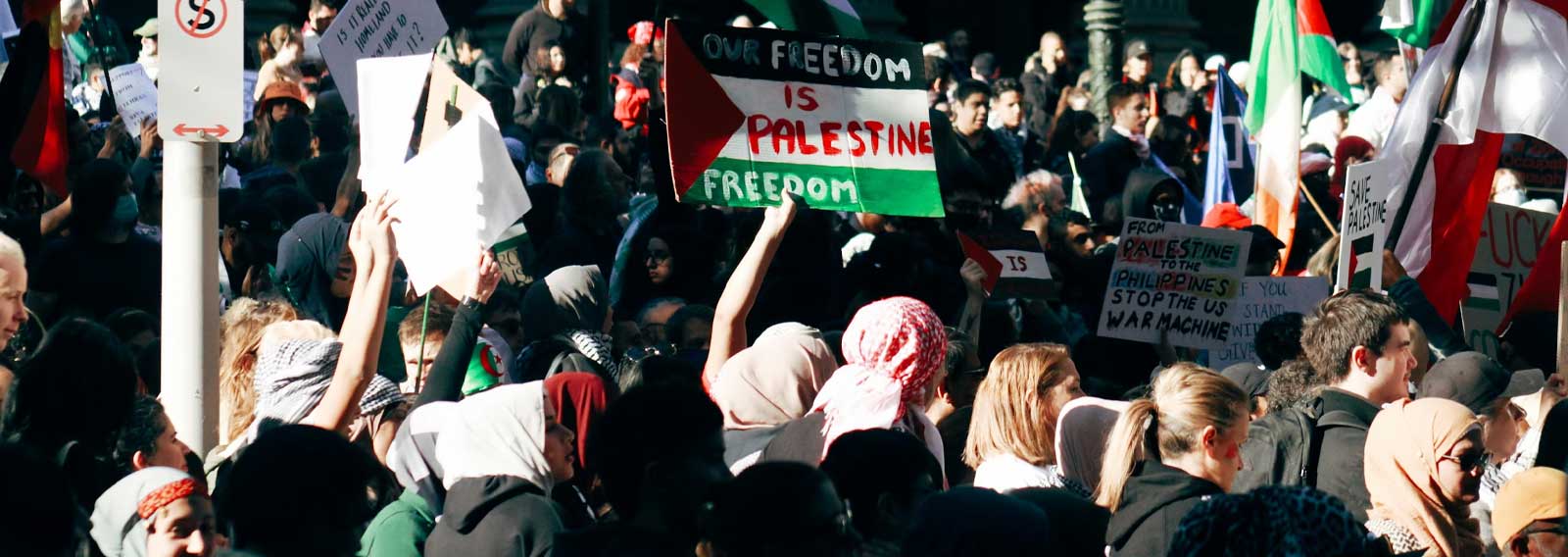
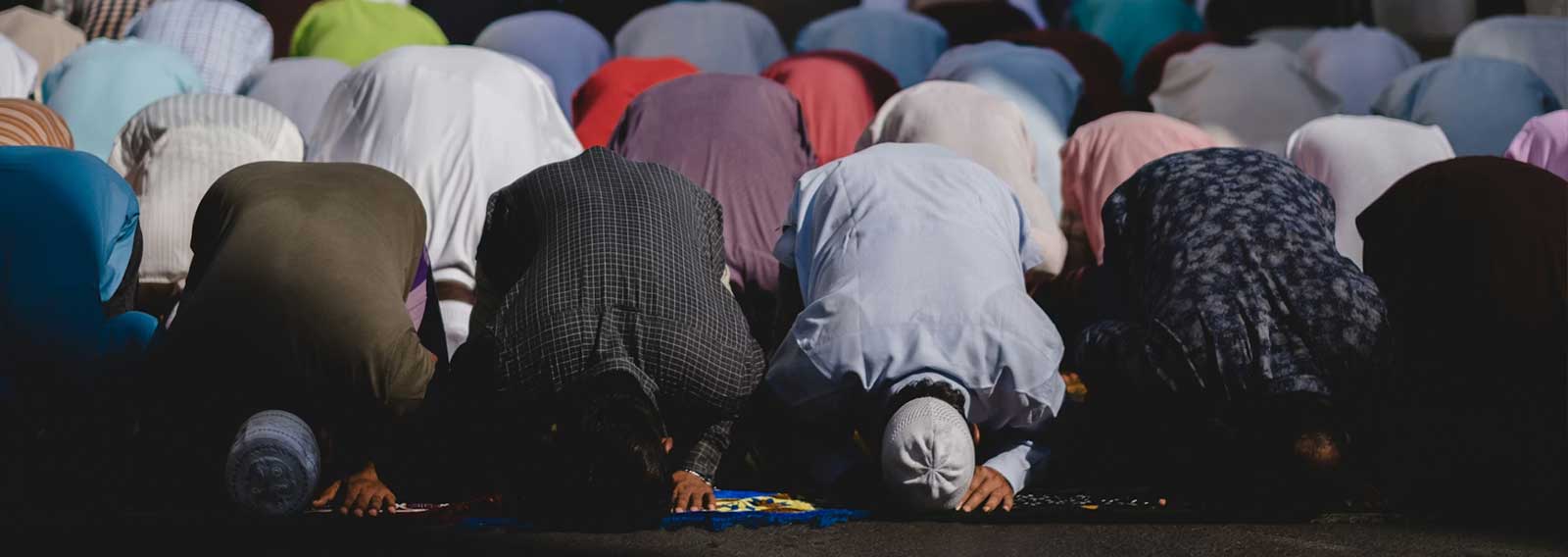
Once moral divergence moves outside that broader Christian framework, however, tensions intensify dramatically. What emerges are not merely different customs, but fundamentally incompatible claims about life, morality, and politics—claims that are often directly opposed to Christianity itself. At that point, social cohesion can no longer be sustained by shared belief or moral consensus. Fragmentation becomes inevitable, and tension and conflict follow.
Without an overarching moral order, social cohesion erodes, and the resulting vacuum is filled by the state. As differences become more apparent, the state is compelled to impose uniform rules, limits, and restrictions. Law ceases to reflect a common moral vision and instead becomes a tool of management, an instrument to enforce a fragile, artificial unity. The only remaining unifying force is the threat of punishment and the shared desire to avoid penalties.
Fragmented societies, therefore, provide the easiest and most reliable pathway to authoritarian rule. The chaos and disorder they generate invite tyranny as the only apparent solution. Deprived of shared moral foundations, such societies become dependent on centralised power to hold together what no longer coheres naturally. These conditions are fertile ground for the tyrant, who thrives on the disorder he claims to restrain and draws authority from the chaos he helps to perpetuate.
When shared belief collapses—or, as is often the case, is diluted—disorder follows, and the state inevitably steps in, asserting ever-greater authority over a society that can no longer govern itself. In the absence of self-regulation, civil government must impose rules and limits. Fragmentation, therefore, does more than divide. It hands the state the pretext it needs to enforce a fragile, artificial unity.
Without a common moral foundation, society becomes dependent on centralised state power as the only force capable of holding together what no longer coheres naturally.