

The Australian Senate has voted down a motion to launch an inquiry into the nation’s record levels of immigration.
The proposal, introduced by One Nation Senator Malcolm Roberts, was defeated on Tuesday with just nine senators voting in favour and 37 against. Labor, Liberal, and Greens senators largely united to block the move, just days after thousands of Australians marched in major cities calling for a pause on immigration.
Home Affairs Minister Tony Burke said the government was undeterred by Sunday’s nationwide March for Australia, confirming that the permanent migration intake for 2025–26 will remain unchanged.
Prime Minister Anthony Albanese also downplayed the rallies, arguing they represented only a tiny fraction of the population and “didn’t attract big numbers in the scheme of things,” given Australia’s population of “almost 27 million.”
Commentators, however, have cautioned that the scale of Australia’s migration surge is far greater than many realise.
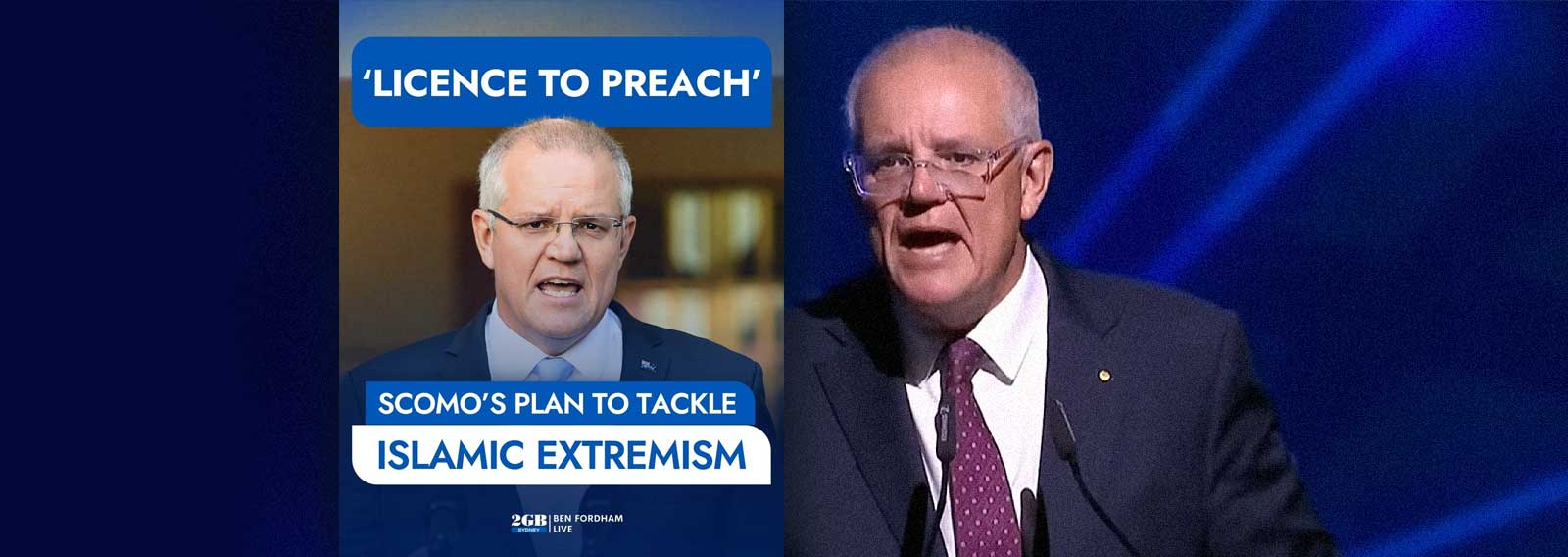
Last month, 2GB radio host Ben Fordham reported that 1,544 migrants are arriving daily—equivalent to five fully loaded Boeing 787 Dreamliners. He estimated that the 2024–25 financial year could see 457,000 new arrivals, compared to 446,000 in 2023–24 and 536,000 at the peak in 2022–23.
“At this pace, in just three years we will add 1.4 million people, and that’s around the population of Adelaide,” Fordham said.
Fordham argued that surging immigration is being used to mask the true state of the economy. While more people inflate GDP figures, the apparent growth is simply the result of a massive population increase.
Among the general public, concerns over migration are intensifying as the country faces a worsening housing crisis and mounting strain on infrastructure as a result. In Melbourne alone, the city’s population is projected to reach 9 million by 2050, and that seems to be largely driven by recent imports.
Consequently, recent data from Births, Deaths and Marriages Victoria revealed that “Singh” is now the most common surname for newborns in the state, overtaking long-standing Anglo names such as “Smith” and “Williams.” Other South Asian names, including Patel, Sharma, Ali, Gill, Sandhu, and Kaur—which ranked third—have also entered the top 20.
What’s more, Hinduism is now recognised as the country’s fastest-growing religion, not due to conversion, but through mass immigration.
Organisers of the March for Australia rally have made clear the protests against mass immigration are not a one-off, promising more to follow. Meanwhile, the government and media are working to frame the movement through the lens of Neo-Nazism—an attempt to deter attendance and discredit it as fringe and even dangerous.