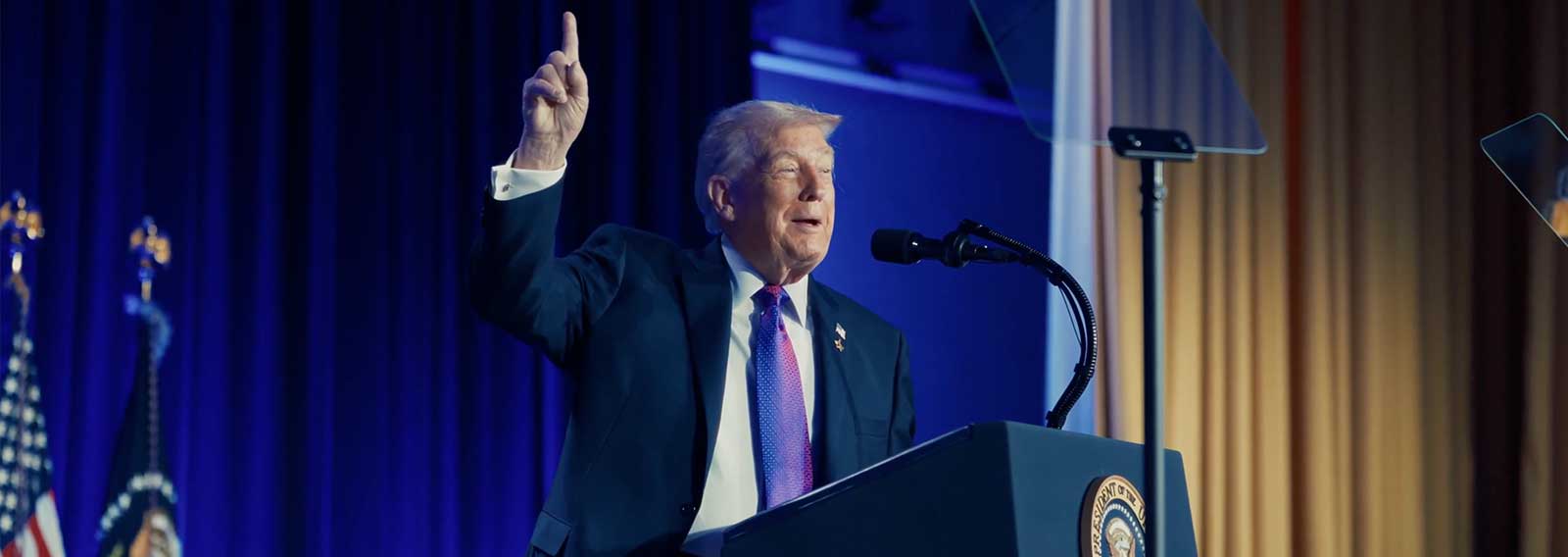


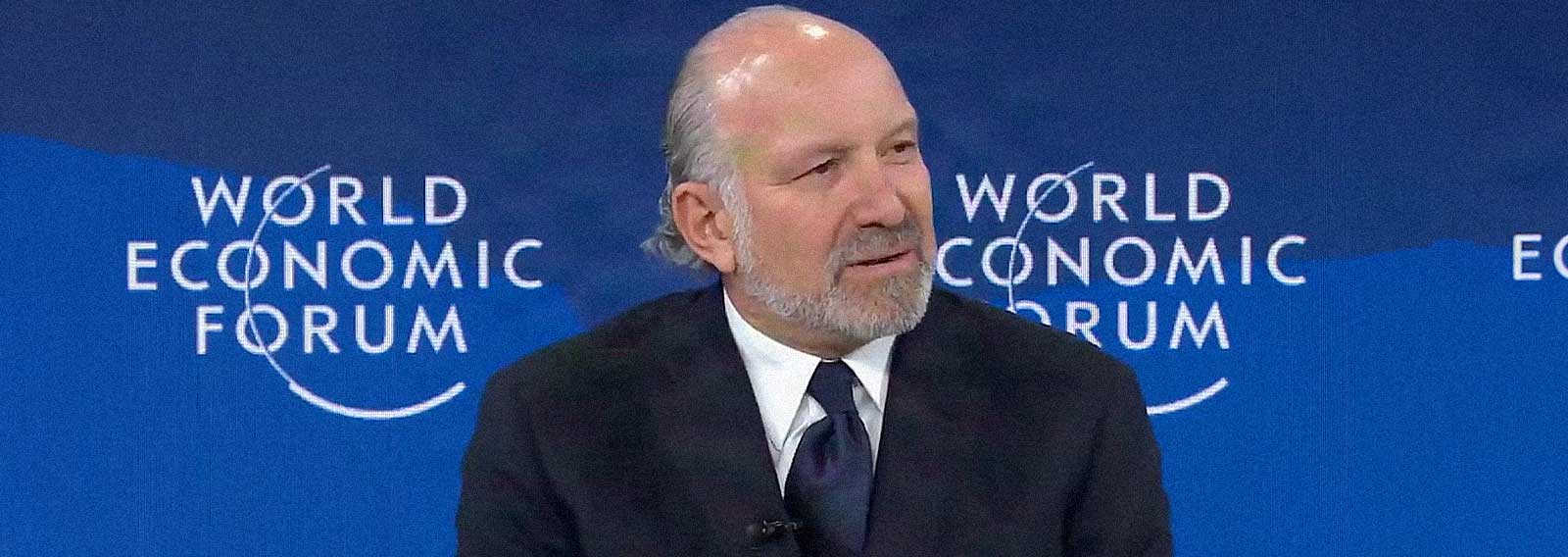
United States Secretary of Commerce Howard Lutnick used his appearance at the World Economic Forum in Davos to deliver a blunt assessment of globalisation, arguing that decades of offshoring and export-driven policy have undermined Western economies and hollowed out American industry.
Speaking at the annual gathering of political and business leaders, Lutnick said globalisation, as promoted by the WEF, had failed to deliver shared prosperity and instead left Western workers behind.
“We are here to make a very clear point: globalisation has failed the West and the United States of America,” Lutnick said. He described it as a “failed policy” built around moving production to wherever labour was cheapest, with the promise that the global economy would ultimately benefit. “The fact is, it has left America behind. It has left the American worker behind.”
Lutnick said the Trump administration was advancing an alternative approach centred on national interest, economic resilience, and sovereignty. Under the “America First” model, he argued, nations should prioritise their own workers, industries, and security while still engaging with trusted allies.
“Sovereignty is your borders. You’re entitled to have borders,” he said. “You shouldn’t offshore your medicine. You should not offshore your semiconductors. You shouldn’t offshore your entire industrial base and have it hollowed out beneath you.”
According to Lutnick, reliance on foreign supply chains for critical goods has left Western nations dangerously exposed, particularly in areas essential to national security and public health. Where dependence is unavoidable, he said it should be limited to close and reliable allies.
He also criticised what he described as the WEF’s shifting ideological priorities, arguing that it often follows prevailing political and economic winds rather than providing firm leadership. In particular, Lutnick questioned Europe’s aggressive net-zero targets, warning they risk deepening dependence on China.
“Why would Europe agree to be net zero when they don’t make a battery?” he asked. “They are deciding to be subservient to China, who makes the batteries.”
Lutnick said the model being promoted in Davos by the U.S. delegation was not isolationist, but an invitation for other nations to reconsider policies that prioritise global efficiency over national resilience.
“This is a different way of thinking,” Lutnick said. “Completely different than the WEF.”
WATCH: