

The Australian government has released a draft of what it describes as its most far-reaching federal hate speech legislation, a proposal that significantly expands criminal penalties for speech and grants sweeping new powers to the executive, raising alarms among free speech advocates and legal observers.
The legislation, titled the Combating Antisemitism, Hate and Extremism Bill 2026, was drafted following the December 2025 terrorist attack at Bondi Beach that left 15 people dead. The bill builds on hate crime amendments passed in 2025 and is now before the Parliamentary Joint Committee on Intelligence and Security (PJCIS).
Attorney General Michelle Rowland said the Jewish community was closely consulted for the structuring of the hate speech legislation following the Bondi attack, which she later described as the “toughest hate laws Australia has ever seen.”
Under the proposed law, Australians could face up to five years in prison for publicly promoting or inciting “hatred” based on race or nationality if a “reasonable person” might feel intimidated, harassed, or fearful. The offence does not require proof of actual harm, intent to cause violence, or even that a complaint be made.
The bill defines “public place” to include the internet, placing social media posts, videos, blogs, memes, and online commentary squarely within the scope of criminal enforcement.
In effect, critics argue, the legislation lowers the threshold for criminal liability to subjective emotional response, rather than demonstrable harm.
The draft law also introduces a new framework for banning “prohibited hate groups,” granting ministers broad discretion to outlaw organisations without traditional procedural safeguards. Membership alone could carry prison sentences of up to seven years, while supporting, recruiting for, training, or funding a prohibited group could attract penalties of up to 15 years.
Notably, the legislation allows groups to be banned based on conduct that occurred before the laws existed, including actions carried out overseas. Legal analysts have described the retrospective elements as a significant departure from established legal norms.
Ahead of the bill’s release, the National Socialist Network announced it was disbanding. In a statement posted on Telegram, the group said it was shutting down in anticipation of legislation that would allow the government to ban organisations retroactively for acts such as Nazi salutes. The group described the proposed laws as “some of the most draconian the West has ever seen.”
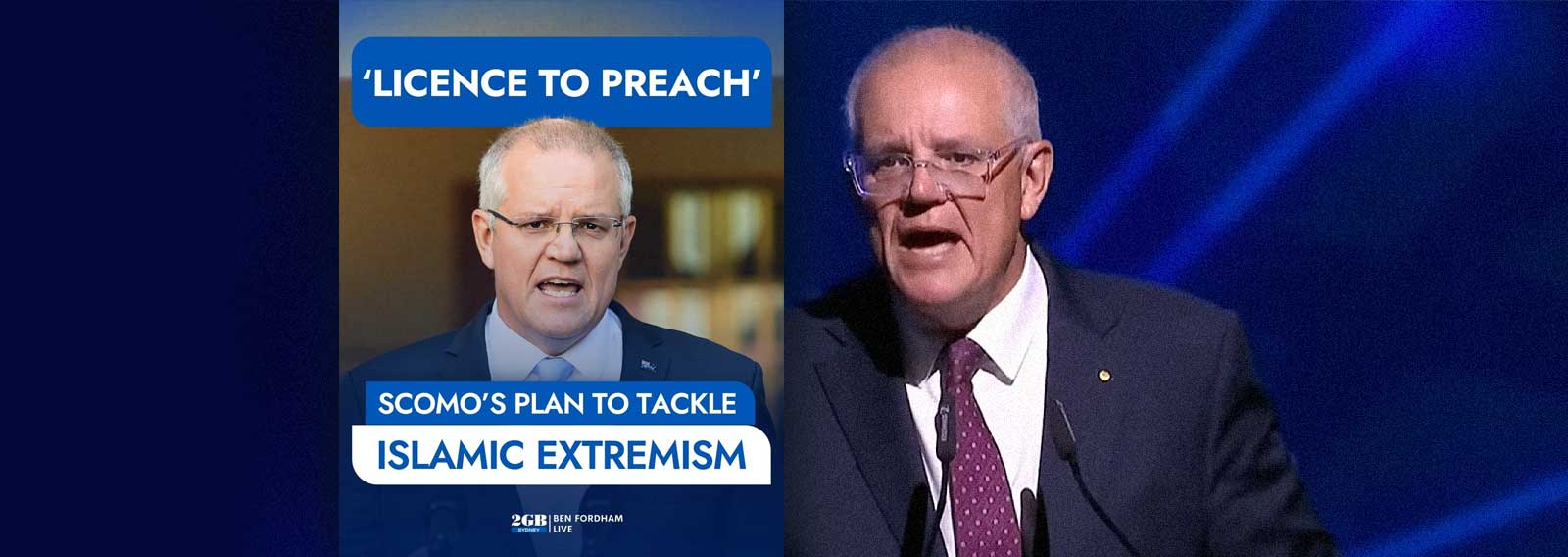
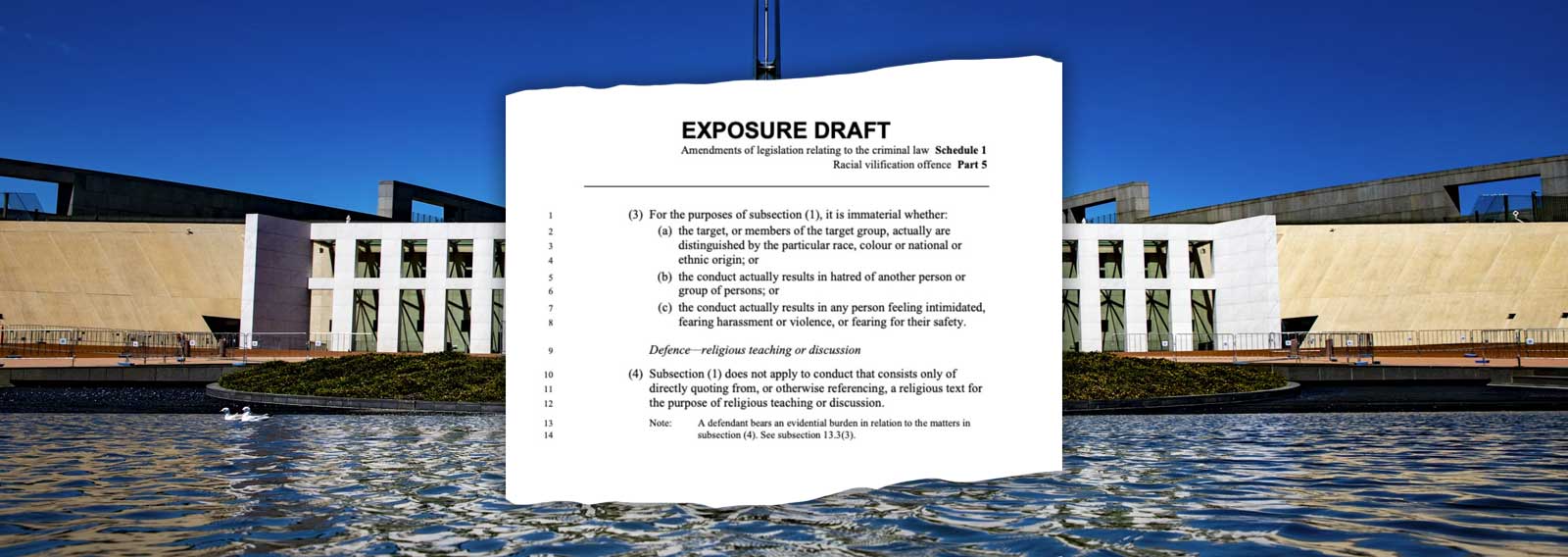
While framed as a response to antisemitism and violent extremism, the bill makes no explicit reference to Islam or Islamist ideology. Instead, it includes broad religious exemptions. One clause states that hate speech provisions do not apply to conduct that consists only of directly quoting or referencing a religious text for the purpose of religious teaching or discussion.
Free speech groups argue this exemption could shield extremist preaching so long as it is framed as religious instruction.
The Free Speech Union of Australia criticised the bill in a statement, warning that it would enable arrests for online comments with minimal reach and could result in selective enforcement. The organisation said the legislation risks treating “fear” differently depending on who is speaking and who is offended.
While no public response has been issued by the United States, senior American officials, including Vice President JD Vance and Secretary of State Marco Rubio, have repeatedly warned allies that restrictions on speech undermine shared democratic values. Both have emphasised that freedom of expression is a non-negotiable foundation of US alliances.
Legal experts note that the Australian proposal criminalises speech well below the threshold required under US First Amendment standards, which protect even offensive or hateful expression unless it directly incites imminent lawless action.
The Parliamentary Joint Committee on Intelligence and Security has allowed less than 48 hours for public submissions on the 144-page draft bill. The bill remains in draft form, but if passed largely unchanged, it would represent one of the most aggressive expansions of speech regulation in Australia’s history.
X reacts: