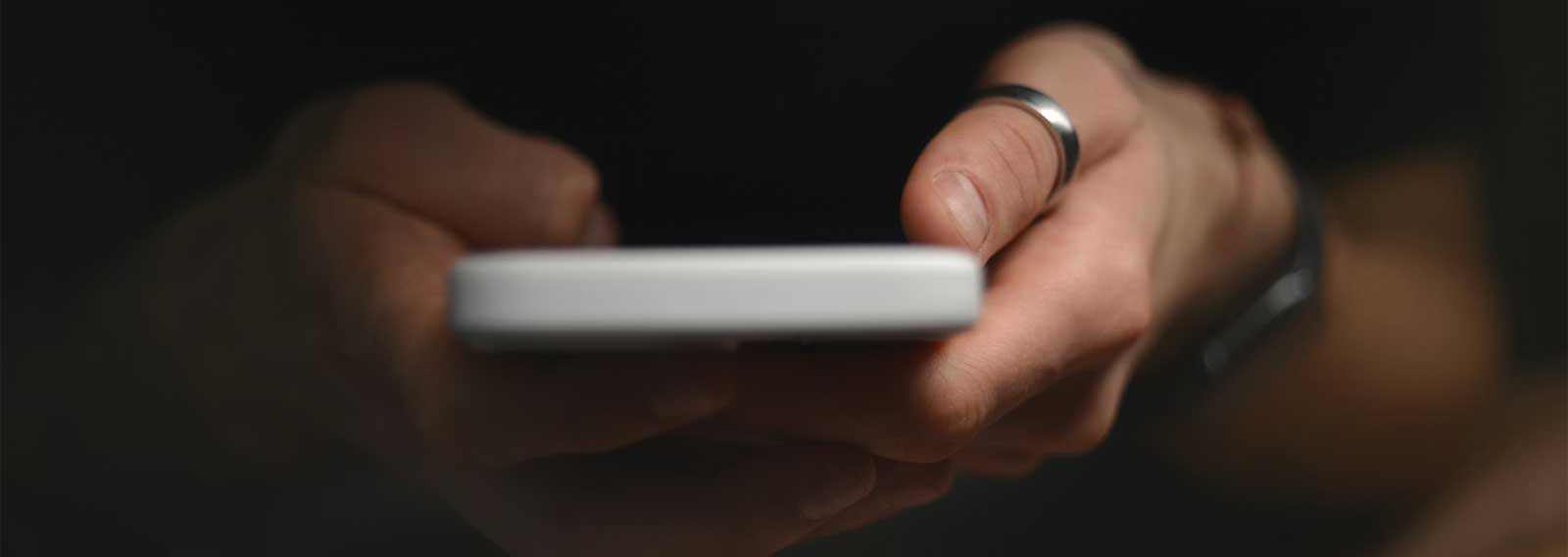



On December 10th, 2025, people under the age of 16 were banned from creating new or using existing social media accounts. Public opinion is mixed, with some people believing this is an important development in protecting teens from the harms of social media, while others say that the government should make decisions that impact parents’ authority.
As a 16-year-old, although having narrowly escaped the ban, I do believe there will be effects on everyone who uses social media. Specifically, there are three very prominent concerns when it comes to how this law will actually work and the repercussions it could have.
1: No Comments, No Contact, But Still Content?
Perhaps the biggest and most confusing issue is that social media is not technically banned, but rather creating an account. While it is true that some social media platforms, such as Snapchat, Instagram, and Facebook, require accounts to access content, two huge and arguably the most used social media platforms, YouTube and TikTok, do not.
To access content, click, scroll, and watch; you do not need an account. You can still download TikTok and YouTube on your phone and scroll at any time and for any length of time. If the purpose is to get teens off social media, why create a ban that still allows access to two major social media platforms? The algorithm is clever; even without an account, it can feed teens content and creators that they want to consume.
However, without an account, you can’t post, you can’t comment, you can’t engage and share opinions, and you can’t connect with friends and family. Having an account does make cyberbullying, online grooming, cyberstalking, and harassment easier, which are admittedly prevalent concerns. However, by far the aspect of social media that is contributing to the most mental health problems among teens is the endless doomscrolling, comparison, and the harmful types being consumed, and this is still available.
This law is still taking away what is perhaps the most positive part of social media: having a voice. Sharing, commenting, connecting with friends, and sharing your opinion through content. Even if this is only done with a small group of friends on a private account, out of all the features of social media, it is the least harmful.
2. Government Reach
As famously said by Abraham Lincoln, “The legitimate object of government is to do for a community of people, whatever they need to have done, but can not do, at all, or can not, so well do, for themselves, in their separate, and individual capacities. In all that the people can individually do as well for themselves, government ought not to interfere.” In other words, the government should do what the people cannot and what the people can do themselves, they oughtn’t to. Parents are capable of regulating social media for their children, and to an extent, teens themselves are too.
Anthony Albanese states that this is giving families a choice, saying this is about families taking control and asserting our authority as a society. But how can that be true? The government has made this choice; they are taking control, not teens, not families. Is there so little trust in the Australian people that the government now needs to take action in areas that were formerly considered a parenting issue?
To be clear – yes, there are concerns social media raises, and yes, parents should get more involved in helping teens find solutions, but that’s the point: parents should. Despite Albanese stating that the aim is to “back parents up,” saying that there will be more support for parents because now, when they encourage their children to get off social media, they will be backed by the country’s law, there is also an argument against this.
For example, a teen who is addicted to drugs and alcohol will not simply stop because it’s illegal. If parents find out that their child is taking drugs, they will likely get angry and could bring up the fact that they are doing something illegal, but will that make the teen any more likely to comply, or will it make them more resentful? There is almost always a root cause; teens don’t just drink alcohol and take drugs for no reason. And, while parents might find it convenient to believe otherwise, teens don’t just get addicted to social media; it is deeper issues within families and relationships that lead children to use coping mechanisms, and addressing those would be far more effective than banning the coping mechanism. Perhaps the government would be better engaged in finding ways to lower housing, fuel, and food prices so parents actually have more time again to spend raising their own children: To learn more about them and what could be fueling their social media addiction.
3. Data Leaks
What should seriously concern us is that, when verifying age on social media platforms, we will now potentially need to prove our identity and age. This could be done by uploading our personal documents onto social media, such as our passport, birth certificate, or driver’s license. However, with data leaks becoming more common than one might think, this could potentially become a major security issue. Or if not identity documents, you will likely have to scan your face into an AI software, which then estimates your age before you can open an account. If this method is used, that raises a whole other conversation on which software is used, how those photos are stored, and what exactly is done with them. Likely, there will be a mix of both methods, raising concerns with both options.
In 2020, researchers discovered an unsecured database containing roughly 235 million scraped Instagram, TikTok, and YouTube user profiles.
This included people’s names, photos, account details, age, gender, and more. This kind of information can eventually find its way onto the dark web, where it is sold, leading to identity theft, financial fraud, scams, blackmail, and such. Billions of leaked account details and credentials are already circulating on the dark web. This in itself is already extremely concerning, but now imagine the repercussions of leaked identification documents such as IDs, birth certificates, and passports. Think about it: birth information, private document numbers, your address, photos, and signatures. With data leaks more common and dangerous than is generally thought, if this were to happen, it could risk becoming an issue of national security.
Empowering Families
While I certainly agree that social media holds issues of real concern and threat and does have a significant and often negative impact on the health of teens, I do not believe this is a government issue.
As a teen who was on social media throughout the beginning of my teen years, I would now consider myself relatively good at limiting social media; however, it was not always that way, and I know firsthand the dangers that can arise when you are on social media too much, both with the content you watch and the influencers you follow, but also cyberbullying, receiving messages from strangers.
Not all or even most teens should be on social media. But I also don’t consider this an issue that our government should or even can solve; both children and parents need to be informed and empowered to learn and deal with social media, both the negatives and positives, and our government’s focus, in my opinion, should be on giving the power back to the families by working to make positive impact on the thing that they actually have power to change.