


I was sitting in the waiting room of our car mechanic. The boss was away on holidays and his younger crew were taking good care of me and my car. I am so well-known there, they let me set up office with my laptop in the corner of the entrance (yes, the chair they provide is very comfortable).
The only drawback was the radio show the younger ones had on in the garage workshop. It is pub-entertainment via the airwaves – and it is the kind of pub talk that starts after people have had more than one or two drinks. The ring-in topic that I first heard was anyone who had been a children’s nanny and who had slept with one of the parents. This is on breakfast radio!
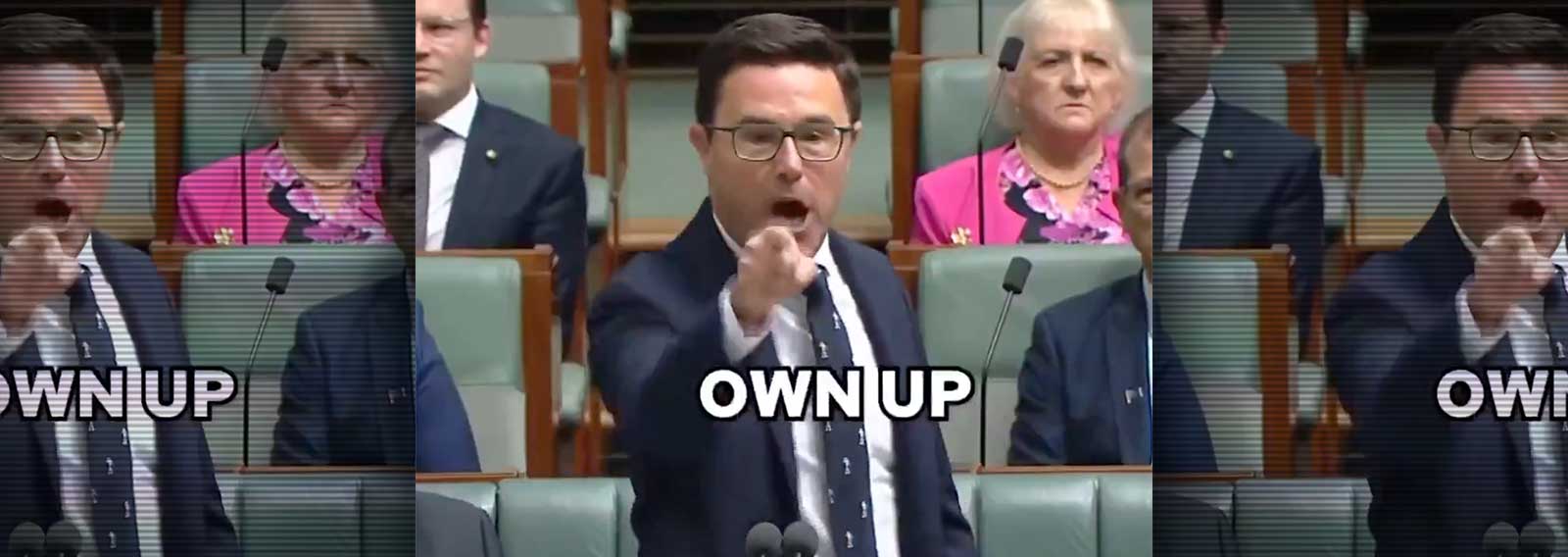
The only sensible semblance of maturity was when one of the female announcers suggested they should stop that segment because the ‘PM was hanging on the line.’ The next five minutes were full of ‘folksy nice banter’ between the Prime Minister and the radio hosts, without one deeply thoughtful question or answer.
And here was the most revealing part for me. The presenters all spoke about ‘how nice he was’, with one even saying she would now vote for the PM on the following Saturday’s election. The others enthusiastically agreed.
There was nothing about rising energy costs and the resultant cost of living. There was nothing about immigration and housing. There was nothing about defence. There was nothing about reliable energy supply. Nothing. But they helped their listeners decide on uncertainty about voting because they demonstrated ‘how nice he is’.
I am not critiquing the PM’s performance in this. I find him thoroughly consistent in his demeanour. He is a ‘relatable socialist’, and I therefore do not expect him to be anything but socialist in what he does.
But I do reflect on Jeremiah 29:7 in these contexts. There, the Israelites are told to pray for the welfare of the cities where they will be living as exiles. The reason is that “in its welfare you will find your welfare.” And Israel’s welfare is best expressed when it lives the way the Creator has taught them to live. This same principle can be seen in the New Testament and in subsequent teachings of the Christian church.
I ask myself, “What welfare does Australia need so that we in the Christian church can be free to live as Christ would have us live, in view of His great mercy towards us?” I believe it comes down to some basics of life – freedom to live faithfully as Jesus followers, not just at home and at church, but publicly; freedom to think and speak what we believe the Bible teaches us about life; freedom to train up our children in this faith, and invite them to join that faith; and freedom to live as a family within a like-minded community without yielding to other people’s ideologies.
But I suspect no one in the mainstream parties really bothered much with these basics of society because personal comfort was easier to sell. Bidding wars overtook any deeper consideration of being responsible with our national debt, for example. And it seems we love being comfortable, which is easier to do in Australia than in many other places globally.
It is one reason we have been previously dubbed the ‘lucky country’ (Donald Horne), and also the nation where ‘waltzing materialism’ (Jonathon King) runs amok. Currently, some are now calling us the ‘unlucky country’ (Zimmerman & Moens), where people might be interested in spirituality, but not going to a Christian church. A recent author has called this ‘remixed spirituality’ (Tara Burton, Strange Rites).
In the midst of all this, I believe we are at risk of losing our national soul, if it is not lost already. That is not to say that everyone in Australia is heartless. Indeed, I work with young adults in Australia and in many places across the globe who are inspiring in their open-hearted, humanising faith. As sociological studies show time and time again, it is sincere people of Christian faith who maintain their commitment to each other, because of their faith in God, who, on average, do better on most, if not all, social indicators. Even the latest studies by Jon Haidt and colleagues on the impact of social media find these positive outliers within their research patterns, because of their faith communities.
But here is the concern. Apart from some very minor specialist parties (like Family First), matters of faith and life are routinely ignored in public life and debate – unless, of course, it is about Aboriginal Australians (which is an historic pagan religion). If we continue to accept that as the ‘normal’ way of doing politics, how do we explain what deep commitments hold us together?
It might be ‘we are committed to universal respect’ – but historically, that has been impossible without Christianity. What about having a rule of law that applies to everyone equally, but historically, that has been impossible without Christianity? What about a universal compassion to those with incapacities of some kind, but historically, that has been impossible without Christianity. And so it goes.
George Orwell (1984) showed us what society becomes when hard totalitarians gain control through mass surveillance and fear. Aldous Huxley (Brave New World) showed us what society becomes when soft totalitarianism induces us to conditional but continuous comfort. CS Lewis highlighted the dehumanising impact of ideologies, supposedly human but calling on deeper spiritual powers, in his The Hideous Strength. More recently, Rod Dreher has reminded us to Not Live by Lies.
Dreher believes that the start of ‘soft totalitarianism comes with “an ideology that seeks to control all aspects of life… it exercises control, at least initially, in soft forms. This totalitarianism is therapeutic. It masks its hatred of dissenters from its utopian ideology in the guise of helping and healing.” (p. 7) This soft totalitarianism appeals to something within our souls, whether it be a therapeutic affirmation of self-freedom, or whether it is a cry for justice for some who are by category, labelled as oppressed.
Many such authors are building on Reiff’s explanation of us living in the Therapeutic Era, in which he “foresaw the future of religion as devolution into watery spirituality, which could accommodate anything” (in Dreher, p. 12).
It is such watery spirituality in public life that I see, and which was highlighted in the disconcerting conversation about a politician’s niceness being the criterion for re-election. I once heard a serious academic paper describe Genghis Khan as a ‘wonderful family man’ in an attempt to humanise this highly effective barbarous murderer.
If that is the state of our nation, then whatever collective soul we have is both distorted and disordered. This problem will not be fixed by a political process.
Instead, we need to pray that those of sincere faith can have the freedom to live as salt and light in a land where God is less and less welcome in the considerations of what is good and evil amongst us. And after prayer, to speak the truth.
Dr Stephen J Fyson’s latest book is “Why Good Thinking Starts with God.” You can purchase a copy via Amazon Books or Koorong Bookstore.