

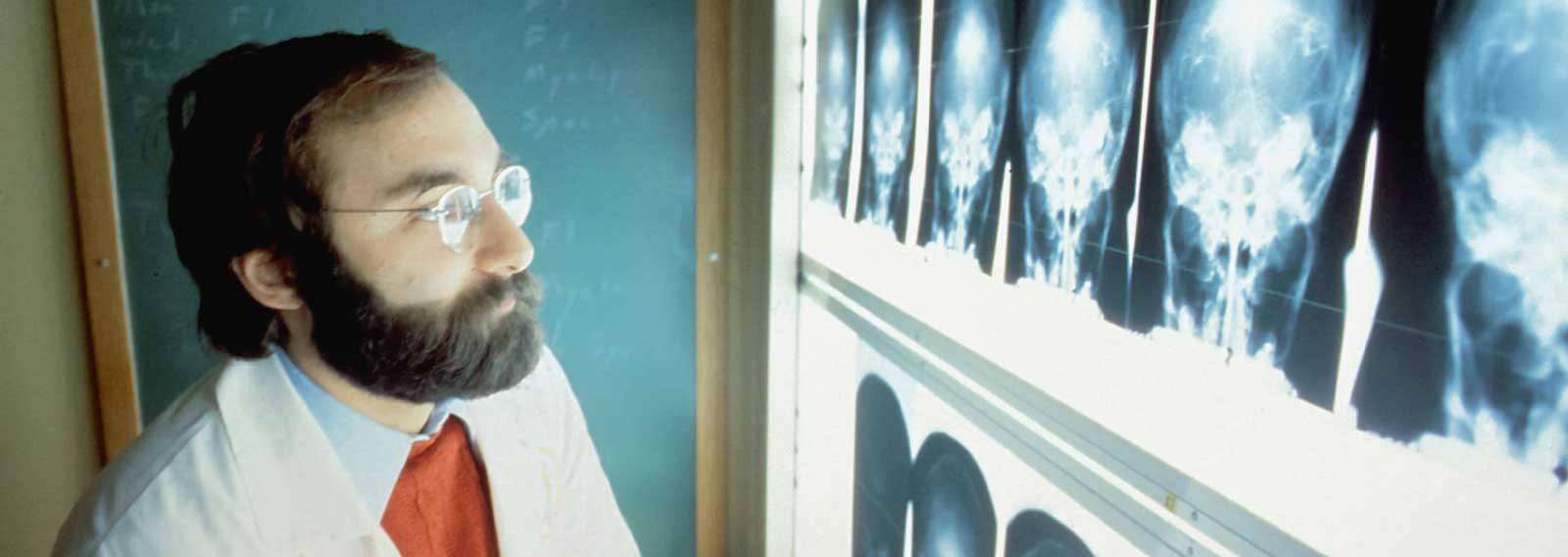
Diagnosis is a necessary step in treating any illness. It identifies the problem, highlights its severity, and helps the patient understand why a cure must be applied seriously and correctly. But a doctor who limits himself to diagnosis alone is only doing half his job. His vocation does not exist merely to name diseases, but to heal the sick.
What’s true in medicine is equally true in politics, culture, and social commentary. We live in an age saturated with diagnosis. Every social ill is named, analysed, categorised, and discussed at length. We are told where things went wrong, when they went wrong, and who is to blame. Diagnosis, in this sense, is easy. It flatters our intelligence and costs us nothing.
What is far more difficult is prescription.
To prescribe a remedy requires answering not only what went wrong, but why. And it is here that ideological commitments and moral frameworks are exposed. Anyone can identify decay in society; far fewer are willing to identify its roots. Fewer still are willing to admit their own complicity in it. It is always easier to say the world is broken because of that person over there, because of other people, other classes, other generations, other ideologies, than to admit that the rot may run through ourselves as well.
G. K. Chesterton once responded to a newspaper’s question, “What’s wrong with the world?” His reply was brief: “Dear Sirs, I am. Yours, G. K. Chesterton.” Chesterton understood that the world cannot be rightly diagnosed apart from the human heart, and that the human heart is not morally neutral.
Many of the evils we lament in society are not abstract forces imposed upon us from without. They are the cumulative result of ordinary human vices lived out at large scale. Namely, compromise dressed up as pragmatism, hypocrisy justified as necessity, cowardice excused as tolerance, and sin rebranded as freedom. We didn’t merely inherit these problems; we participated in them. In many cases, we still do.
We are no longer lacking diagnoses. We are drowning in them. What we lack is the moral conviction to prescribe the cure, and the humility to accept that the cure begins with our own repentance, not accusation. Until we are willing to look inward, to name our own failures honestly, and to submit ourselves to the same standards we demand of others, our social commentary will remain stagnant, sterile, and ineffective.
A civilisation cannot be healed by cultural analysis alone. It is restored by truth, personal responsibility, and reform, starting not with “what is wrong out there,” but with what is wrong within.