

Opposition is increasing to the federal government’s proposed hate speech legislation, with several Senators and MPs raising concerns about its scope, timing, and potential impact on civil liberties.
The legislation, titled the Combating Antisemitism, Hate and Extremism Bill 2026, was drafted following the December 2025 terrorist attack at Bondi Beach that killed 15 people. The bill expands on hate crime amendments passed in 2025 and is currently before the Parliamentary Joint Committee on Intelligence and Security (PJCIS).
The government has described the bill as a response to rising antisemitism and extremist activity. Critics, however, argue that the legislation has been introduced without sufficient parliamentary scrutiny.
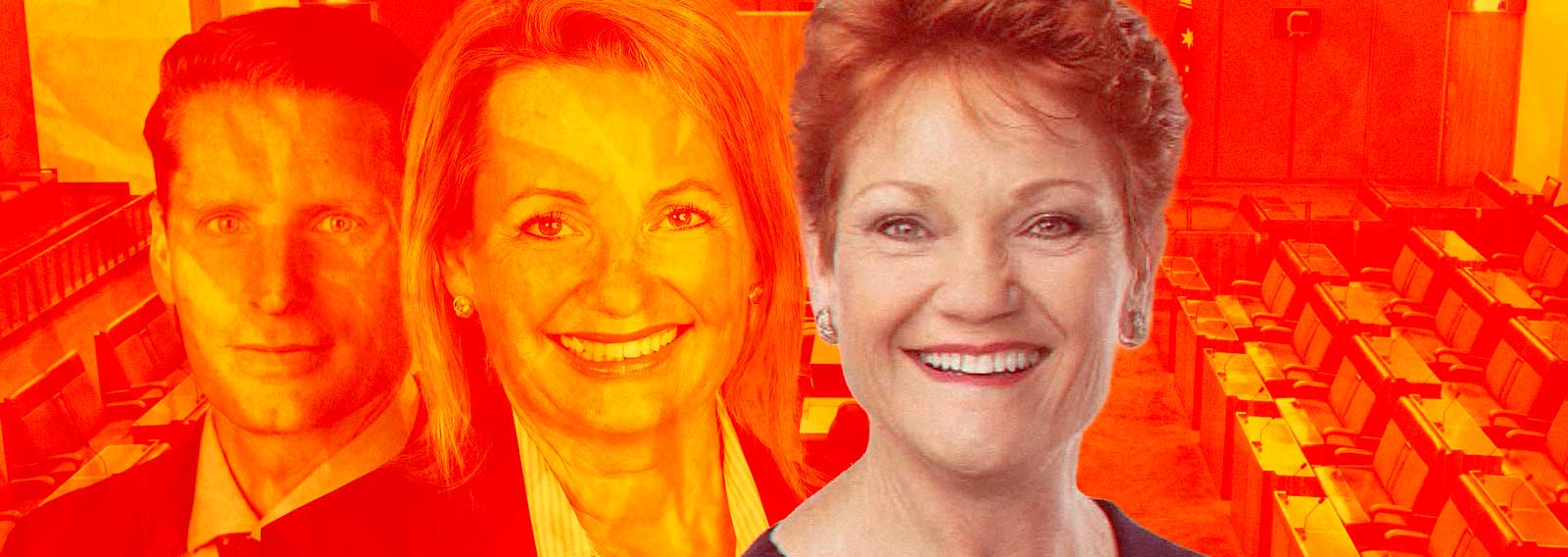
Liberal MP Andrew Hastie said he would oppose the bill, describing it as an attack on fundamental freedoms and criticising the accelerated legislative process.
“This bill is an attack on our basic democratic freedoms: freedom of conscience, freedom of speech, and freedom of religion,” Mr Hastie said.
He said such freedoms were “hard won” and had served Australians for more than a century, adding that the bill would restrict them.
Mr Hastie also criticised the timeframe for consideration of the legislation, saying major bills would normally be subject to months of committee review, public submissions, and hearings.
“For a bill of this size, we would normally take a few months to consider it,” he said. “Instead, the Prime Minister has reduced that process to a couple of days.”
He further questioned why Parliament was proceeding with the legislation before the conclusion of a Royal Commission examining the Bondi Beach attack.
One Nation has also announced it will oppose the bill. In a statement, the party said the proposed laws could have unintended consequences and argued that existing legislation was sufficient to address antisemitism.
One Nation leader Senator Pauline Hanson said the bill was “very rushed” and described it as unworkable.
“We don’t need new laws to protect Australians from antisemitism,” Senator Hanson said. “We need to enforce existing laws.”
She said the bill amended the Criminal Code as well as 15 other laws and eight regulations, and included a $1 billion gun buyback, raising concerns about its breadth.
Senator Hanson warned that subjective language in the legislation could lead to differing interpretations, potentially affecting freedom of expression.
“One Nation is going to oppose this bill,” she said. “We will not support a vaguely-worded law that could put Australians in jail for making a patriotic statement.”
Liberal Senator Jacinta Nampijinpa Price also opposed the bill, saying it was rushed in response to the Bondi Beach terrorist attack and warning it would curtail free speech. She said the government was “leveraging off tragedy” and described the legislation as a “smokescreen” for censorship.
Senator Price raised concerns about the bill’s definition of a hate crime, which includes conduct causing “serious harm,” including to a person’s mental health, saying the definition was “incredibly broad” and could be expanded to cover speech that merely offends or insults.
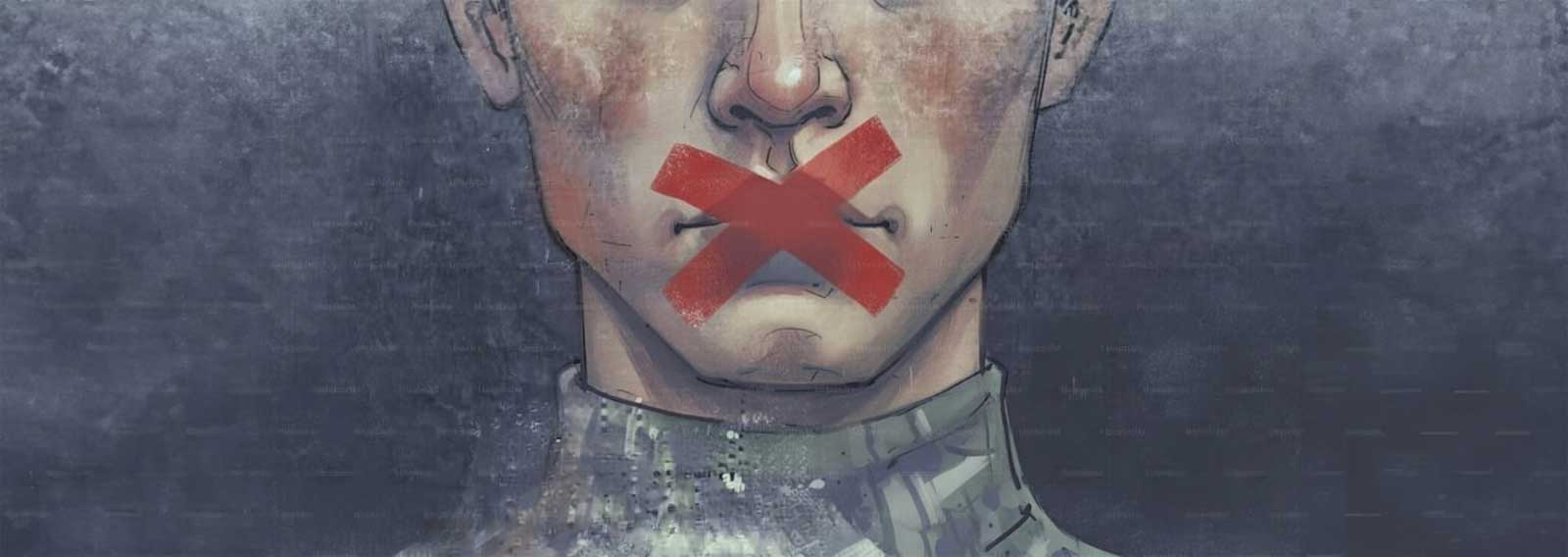
“Censorship is at its core,” she said, warning the bill would restrict “truths being told and legitimate criticisms being expressed simply because someone takes offence.”
Senator Price also criticised religious exemptions in the draft legislation, saying the government was attempting to “ringfence Islam from any reasonable scrutiny,” while failing to address radical Islamism. She said the bill was not serious about addressing the root causes of antisemitism and confirmed she would oppose it.
Liberal Senator Alex Antic also criticised the legislation, describing it as the “worst assault on freedom” the Australian Parliament has seen.
“These laws, largely, already exist. The police have the powers already to take action against the sorts of things we’re talking about here,” Senator Antic said.
“None of the things in this bill would have done anything to have stopped the tragedy of the Bondi attacks in any event. So, what are we talking about here and what is this Prime Minister doing with these laws?”
He added that law-abiding firearm owners should not face further restrictions and confirmed he would vote against the bill in its entirety.
Nationals Senator Matt Canavan has also opposed the bill, describing it as “undemocratic, unconstitutional and so vague” that it could be used to silence legitimate political criticism.
He said existing laws were sufficient to address violent extremism and should be enforced, rather than introducing new legislation. Senator Canavan criticised the government for rushing the bill through Parliament with only a few days for public comment, calling the process “a mockery of our democratic system.”
He also warned that the legislation’s broad definitions of hate crimes and intimidation could capture legitimate political debate, including criticism of government policy, and grant unprecedented powers to regulate speech.
He also noted that the bill provides religious protections for Jewish and Muslim communities that do not extend to Christians. “Christians won’t be protected under the government’s hate speech laws,” he warned.
Former Senator Gerard Rennick said no politician should support the bill, noting certain groups, such as Jews and Sikhs will be protected, but not Christians.
“This is clearly unequal treatment of Australians in the eyes of the law that will censor free speech, especially speech critical of the government’s immigration policy,” he said.
Coalition Senator Susan McDonald said that while Australians want to see some action taken in response to the attack, the legislation has not been consulted on adequately.
“There are big problems with it, whether it be the carve-out for religious text, whether it be the definitions, whether it be the retrospective action part of some of the legislation, and of course, the gun buyback legislation, which is not supported by data that can be demonstrated by the government.”
Senator Ralph Babet warned that the bill is not about protecting Jewish Australians but about restricting free speech for ordinary citizens. “I will obviously oppose it,” he added.
One Nation Senator Malcolm Roberts described the bill as “horrendous.”
“Labor is fast-tracking a very dangerous bill that could land you in jail for insulting conduct – even if the person does not feel hurt by the insult,” he said, noting it will have damaging, permanent effetcs on what we can say should the Bill pass.
United States Under Secretary of State, Sarah B. Rogers, also responded to news of the bill, saying, “A statute that imprisons you for calling to deport jihadist extremists—but provides safe harbor if you *are* a jihadist extremist—would be deeply perverse. Let’s hope this isn’t what Australia intends.”
She noted that the exemption for religious texts could be a “clumsy effort to avoid the disgraces” seen in Europe and the UK, where citizens are jailed for quoting the Bible or even praying silently.
“But the problem with ‘hate speech’ laws — one problem of many — is that they’re enforced by the kinds of people who coddle actual violent zealots, so long as they seem subaltern.”
The Combating Antisemitism, Hate and Extremism Bill 2026 is expected to be debated in Parliament following the conclusion of the PJCIS review.