

Many Australians are often quick to express outrage over global injustices. War crimes, genocide, and the persecution of minorities frequently dominate headlines and fuel protests. On the surface, such responses might appear morally commendable. But beneath the surface lies a deeper issue: what moral foundation are we appealing to? What standard of right and wrong are we accusing others of violating?
Australia, like much of the West, has gradually abandoned any claim to a transcendent, universal moral standard. In its place, we’ve embraced moral relativism—where truth is relative, religion is a personal preference, morality is subjective, and each individual is free to define right and wrong for themselves. Yet, despite this cultural shift, many Australians still react with moral certainty when confronted with perceived injustices abroad.
But here is the problem: if morality is truly relative—if it stems from individuals or cultures rather than a higher standard—then we have no grounds to condemn the actions of other individuals or other cultures. Moral outrage, in that case, becomes just one opinion clashing with another. To protest another nation’s actions while rejecting the idea of objective moral truth is to live in abject contradiction.
You can’t discard Christian moral absolutes and still act as though others are morally obligated to meet your personal moral standards. Either morality comes from a higher source—God—or it comes from within humanity, making it fluid, subjective, and ultimately powerless to hold anyone accountable beyond personal preference.
Australia must reckon with this obvious inconsistency. Without a shared moral foundation, we’re left in a moral free-for-all—each personal worldview battling for supremacy without any agreed-upon truth to appeal to. Until we can collectively define where our moral convictions come from, what our moral standard is, our outrage will remain untethered, and our national discourse increasingly chaotic.
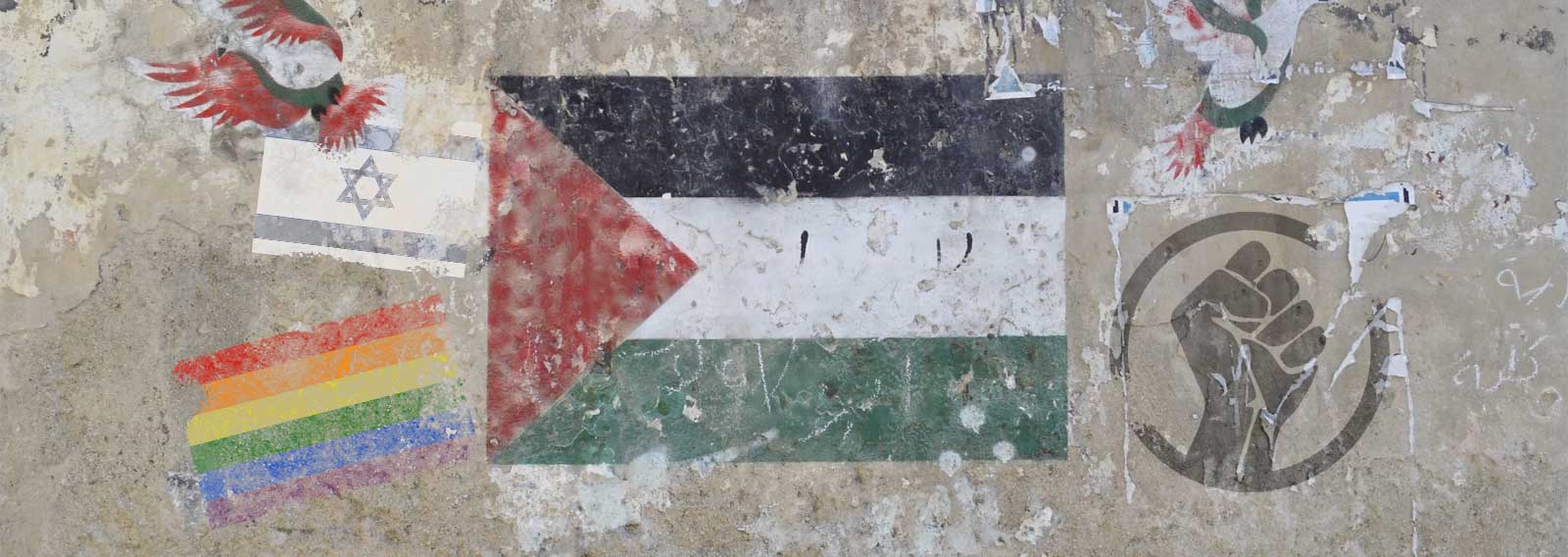
You might not like what the other side is protesting, but in a nation without an agreed-upon objective moral standard, their side is no less moral than your own.