

Freedom is not an abstract ideal that can be imposed by legislation alone; it is the natural product of a high-trust society. Where people are virtuous, they are more trustworthy. Where they are trustworthy, fewer controls are required. And where fewer controls are required, greater freedom can safely exist. Freedom, then, is not merely granted—it is earned and sustained by the moral character of a people.
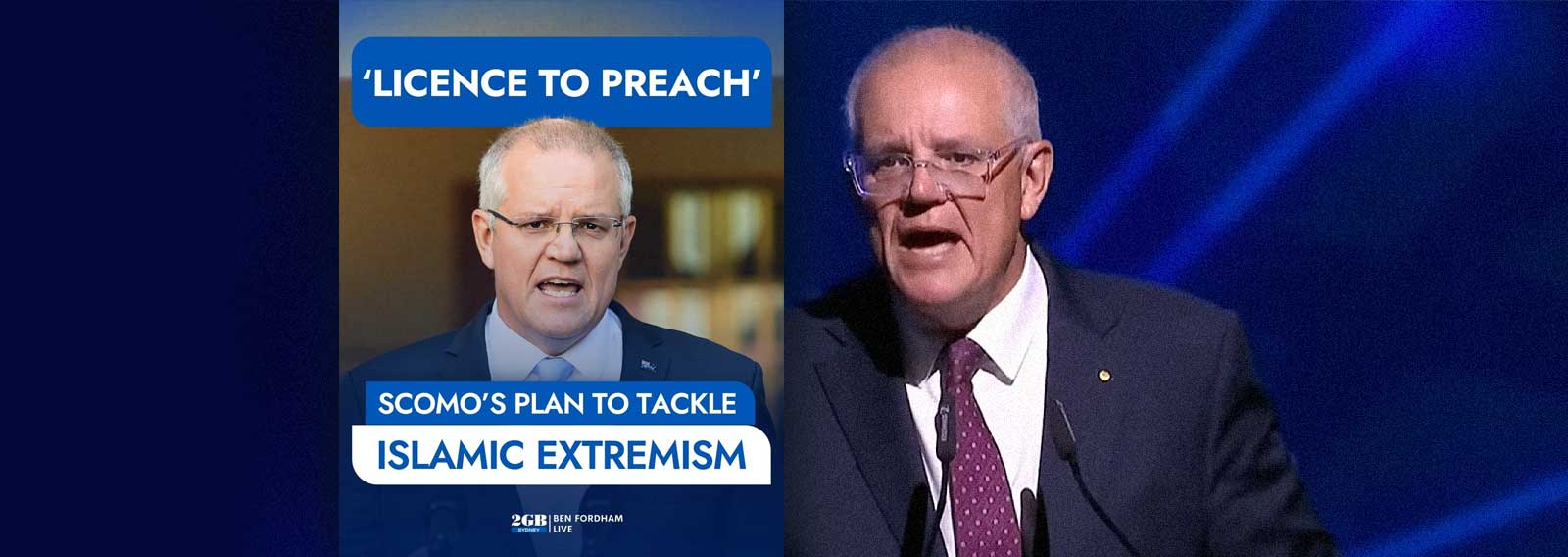
This reality explains an uncomfortable truth that even politicians now occasionally admit: multiculturalism is ultimately incompatible with freedom. A free society depends upon shared assumptions about right and wrong, duty and restraint, responsibility and consequence. When those shared assumptions disappear, freedom cannot endure.
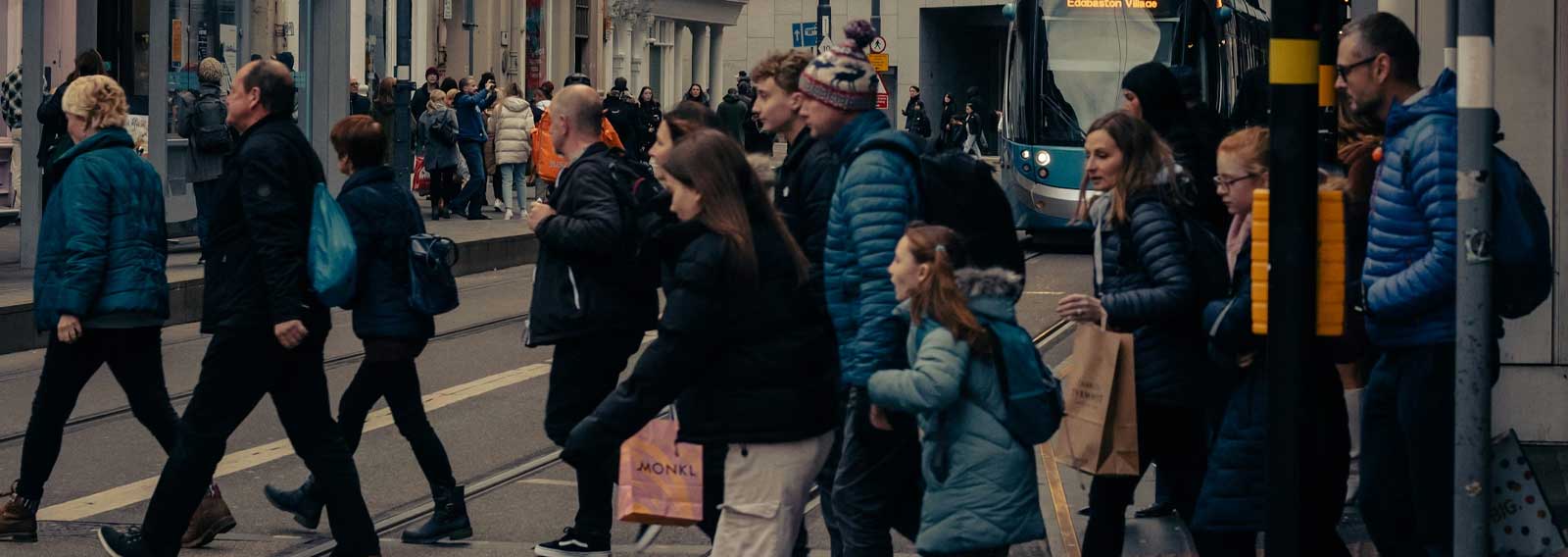
Multiculturalism, by its very nature, produces fragmentation. It deliberately assembles a population around competing religious, moral, and philosophical commitments, while insisting that these differences are either irrelevant or equally compatible. In practice, they are not. Moral commitments shape behaviour, law, loyalty, and social expectations. When a society is divided by fundamentally different definitions of what is good, just, or sacred, it cannot function as a unified moral community.
The consequence of this fragmentation is not harmony, but suspicion. Trust erodes when people no longer share common moral ground. Social cohesion gives way to scepticism, guardedness, and eventually hostility. The state, aware of this breakdown, responds not by restoring moral clarity, but by expanding regulation. Freedom is curtailed, surveillance increases, and laws become broader and more coercive—not because the people have suddenly become less deserving of freedom, but because trust has collapsed.
A low-trust society cannot remain free. Where trust disappears, freedom is replaced by control; where moral consensus dissolves, oppressive bureaucratic management takes its place. The tragedy is that these controls are applied indiscriminately, burdening the innocent along with the guilty, further weakening social bonds and accelerating the cycle of mistrust.
Freedom, then, is not preserved by celebrating difference for its own sake, but by cultivating a shared moral foundation strong enough to sustain trust. Without that foundation, freedom becomes unstable, and the society that once prized it will gradually surrender it—not all at once, but piece by piece, in the name of managing the divisions it refused to acknowledge.
Freedom is the hallmark of a high-trust society. The more virtuous a people are, the more trustworthy they become; the more trustworthy they are, the greater the freedom that can safely be afforded to them.
Multiculturalism, by its very nature, produces fragmentation. A fragmented society divided by competing religious—and therefore moral—commitments cannot share a common understanding of what is good. The result is not trust, but suspicion; not cohesion, but scepticism and hostility. And where trust collapses, freedom inevitably follows.