

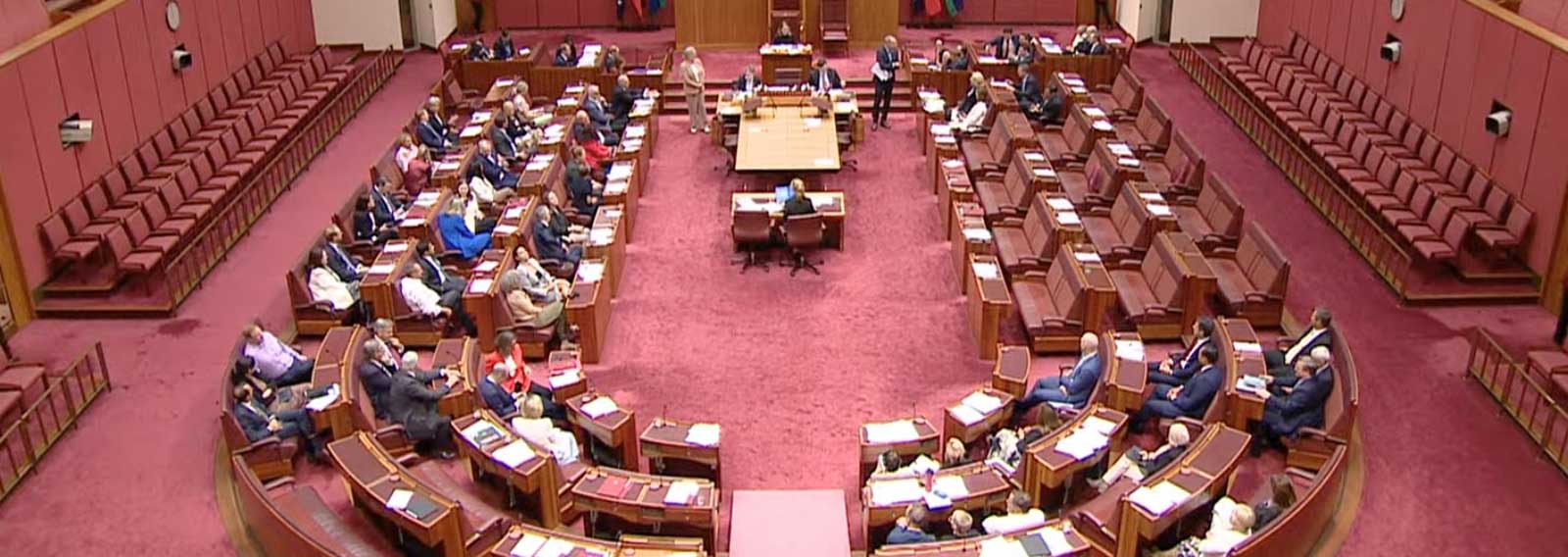
Australians awoke on Wednesday to a significant shift in the nation’s legal landscape, after Parliament rushed through two sweeping bills expanding the state’s powers over speech, association, migration, and firearms.
Passed late Tuesday night following marathon debates, the legislation was framed by the government as a necessary response to the December 2025 terror attack at a Hanukkah event on Sydney’s Bondi Beach. Critics, however, warn the laws represent a dangerous erosion of free speech and due process, pushed through under the emotional pressure of the tragedy.
The first package, the Combatting Antisemitism, Hate and Extremism (Criminal and Migration) Bill alongside the Hate Groups Bill, dramatically increases penalties for attacks on religious officials to up to 12 years’ imprisonment, expands deportation powers for non-citizens deemed extremists, and allows the government to ban organisations accused of inciting violence. The second bill tightens firearms regulations, strengthening background checks and expanding customs seizure powers to intercept illegal weapons.
While the government stressed the need for decisive action against antisemitism and violent extremism, the speed with which the legislation moved through Parliament drew sharp criticism from across the political spectrum. Amendments were made late in the process to narrow the scope of the bills, focusing more explicitly on antisemitism and radical Islamist extremism and adding nominal free speech safeguards. Despite this, concerns about vague definitions, broad ministerial discretion, and long-term implications for civil liberties remained unresolved.
Ultimately, both bills passed with bipartisan support, aided by last-minute deals between Labor and the Coalition. Yet several senators broke ranks, arguing that the process itself — not just the content — set a troubling precedent.
Liberal Senator Alex Antic was blunt in his assessment following the Senate vote. “The Combatting Antisemitism, Hate and Extremism (Criminal and Migration) Bill / Hate Groups Bill has passed the Senate,” he said. “History will not treat this bill well. This is a victory for the security state, the establishment, and the censorship industrial complex.”
Nationals Senator Matt Canavan echoed those concerns, confirming his party’s opposition to the legislation. “The Nationals in the Senate just voted against Labor’s draconian hate speech laws,” he said. “Your actions have helped remove the racial vilification parts of these laws, which was a win. We fought this legislation tooth and nail right up until the end. Even though we didn’t win, the Nationals will never stop fighting for what is right.”
One Nation Senator Pauline Hanson was even more scathing, describing the Bill as a dogs breakfast. “At 11pm tonight the Combatting Antisemitism, Hate and Extremism (Criminal and Migration Laws) Bill 2026 passed the Senate in a Labor/Liberal deal,” she said. “This is after the Firearms and Customs Laws Bill passed earlier in the night with a Labor/Greens deal. One Nation voted against both bills in protest against this rushed, dog’s breakfast.”
Supporters of the legislation argue that extraordinary threats require firm responses and insist that the amendments struck an appropriate balance between security and freedom. Detractors, however, warn that laws written in haste — especially those touching on speech, belief, and association — have a long history of being expanded, misused, or weaponised against dissent.
And as the new measures come into force, the central question remains unresolved: whether Australia has genuinely enhanced public safety, or whether it has traded away core democratic freedoms under the guise of public safety. Unfortunately, history leads us to believe the latter.