


In 2021, the Australian government considered a controversial proposal requiring all social media users to verify their identity using a 100-point identification system. The measure was part of a broader crackdown on online abuse and aimed to eliminate anonymity on platforms like Facebook, Instagram, and X.
The recommendation came from a federal parliamentary inquiry into family, domestic, and sexual violence. The inquiry concluded that anonymity online contributed to the persistence of abuse and harassment, with perpetrators facing “little risk of sanction.”
The report stated: “In order to open or maintain an existing social media account, customers should be required by law to identify themselves to a platform using 100 points of identification.” Forms of ID considered under the plan included driver’s licenses and passports.
If implemented, the policy would have given law enforcement access to social media and dating app accounts. The report also recommended a “substantial increase” in criminal penalties and fines for online abuse in an effort to deter harmful behaviour.
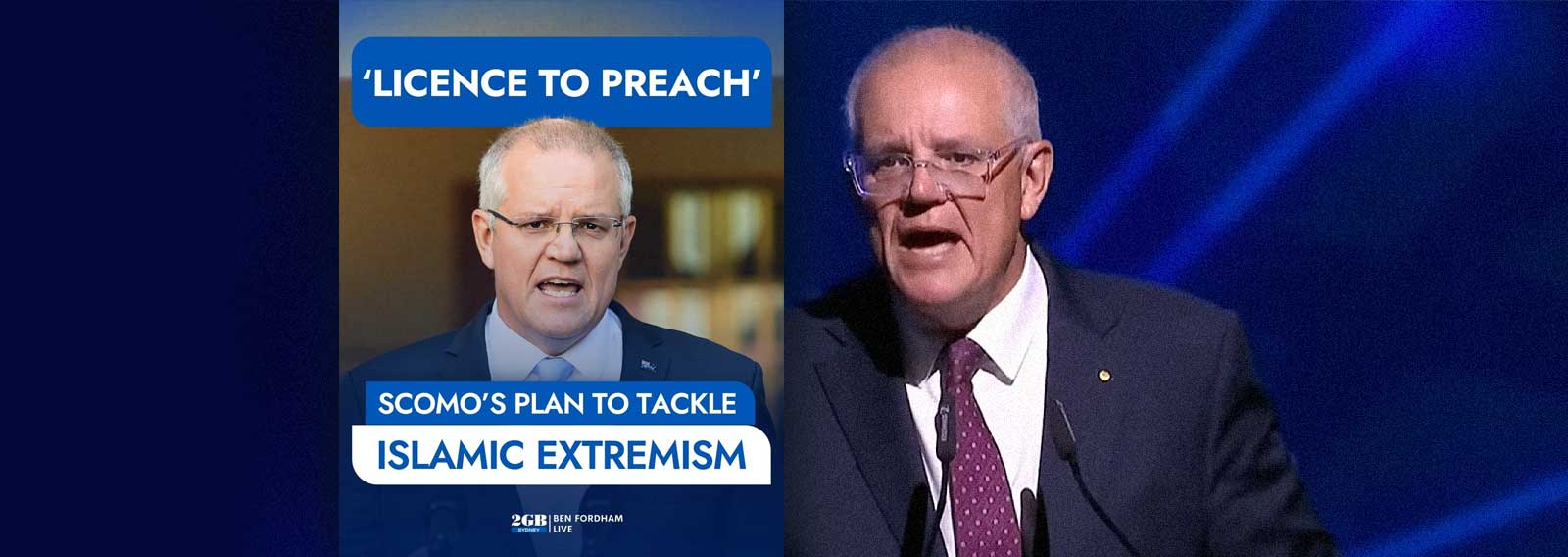
The proposal was supported at the time by members of the then-Morrison government, with committee leadership arguing that removing anonymity would help address escalating levels of online harassment.
Critics quickly pushed back, labelling the plan excessive and raising privacy concerns. The proposal ultimately lost traction in public and political discourse.
Subsequently, attention shifted toward restricting access to social media platforms for users under the age of 16. This alternative approach would not require children to prove ineligibility but would force adults to verify their identity and age to maintain access to their social media accounts, essentially achieving the exact same goal, and all of it under the guise of doing what’s best for our kids.