

The idea of people becoming so familiar with something that they begin to hold it in some kind of contempt is well known. This can happen with family, with friends, and with all the other good gifts that God gives us. A good example of this is the grace of God. Those of us who live in the church and have known the Lord for some time can forget just what the grace of God is, and how much we need it.
Indeed, one of the most consistent things the Bible does is seek to remind God’s people how important the grace and power of God is by highlighting how often it is that the pagans get it better than God’s people. We see this throughout the Bible. Rahab understood the might and grace of God better than most of the Israelites who came out of Egypt, as did Caleb the Kenite. Job, likely an Edomite, had a better understanding of the grace of God and the importance of righteousness than many in Israel. No man in Israel had the faith of the Centurion that approached Jesus and understood how gracious he could be. And perhaps the most classic example of this is from the book of Jonah.

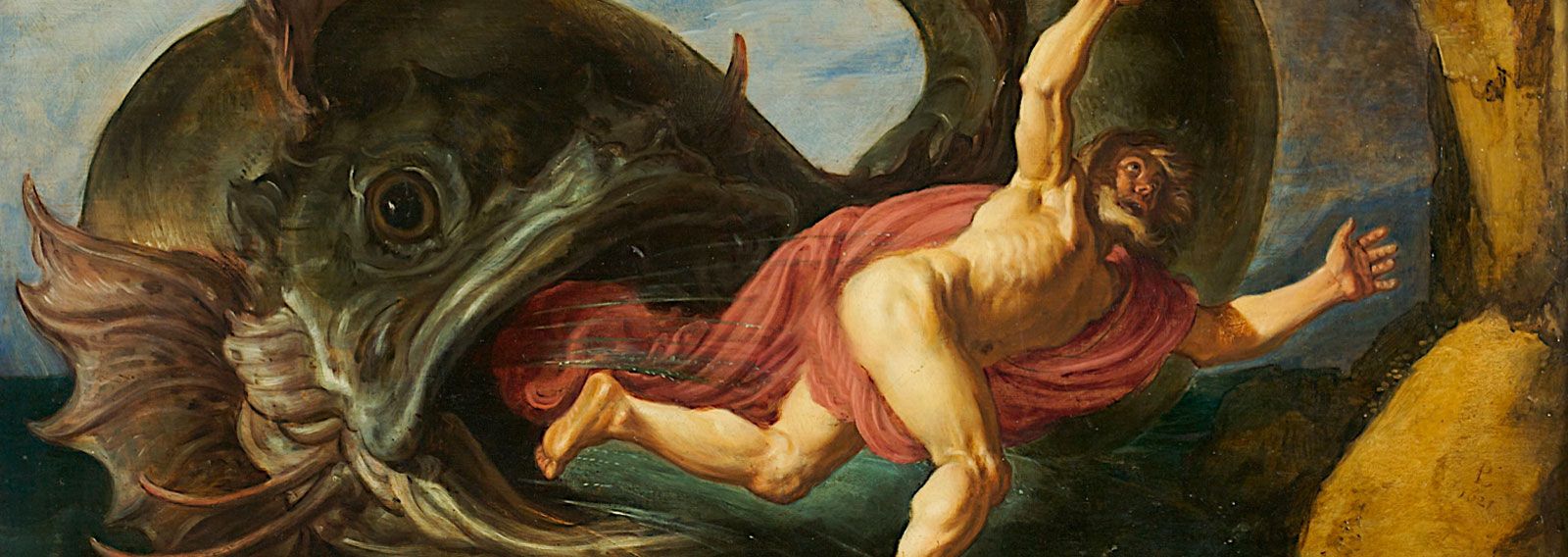
We read in the book of Jonah that God wants the prophet to go to the land of Assyria and preach to the City of Nineveh. But Jonah goes out of his way to avoid this ending up in all sorts of strife. After being swallowed by what was most likely a whale and being rescued by God, this happens,
“Then the word of the Lord came to Jonah the second time, saying, 2 “Arise, go to Nineveh, that great city, and call out against it the message that I tell you.” 3 So Jonah arose and went to Nineveh, according to the word of the Lord. Now Nineveh was an exceedingly great city, three days’ journey in breadth. 4 Jonah began to go into the city, going a day’s journey. And he called out, “Yet forty days, and Nineveh shall be overthrown!” 5 And the people of Nineveh believed God. They called for a fast and put on sackcloth, from the greatest of them to the least of them”.
Jonah 3:1-5
Jonah goes to Nineveh and proclaims a message of judgement, and low and behold, the wicked Assyrians repent and are saved. The pagans hear the word of the Lord and turn from their ways. What makes this even more striking is that at this very time, God’s own people are becoming increasingly corrupt and are ignoring the messages of God’s true prophets. The pagans hear, but the people of God do not.
It is clear that the ultimate purpose of the book of Jonah is in some way to shame the Israelites about how they were approaching the truth and grace of God. They did not get it, yet these evil pagans did and repented. Before God it is not your pedigree that matters, but the state of your knowledge of your sinfulness and your willingness to admit this and repent of it that really counts. Hence these Ninevites are saved because they got the grace of God in a way that many of his own people did not. And the Israelites, because of this, are facing increasing judgement.
We see very clearly that God is challenging the heart of the Israelites, specifically in this case through the account of Jonah when we read in chapter 3:10-4:3,
“When God saw what they did, how they turned from their evil way, God relented of the disaster that he had said he would do to them, and he did not do it. 4:1 But it displeased Jonah exceedingly, and he was angry. 2 And he prayed to the Lord and said, “O Lord, is not this what I said when I was yet in my country? That is why I made haste to flee to Tarshish; for I knew that you are a gracious God and merciful, slow to anger and abounding in steadfast love, and relenting from disaster. 3 Therefore now, O Lord, please take my life from me, for it is better for me to die than to live.”
John 3:10-4:3
Jonah did not flee from Nineveh because he was afraid of preaching there. He fled, because he knew that if he preached to the Ninevites, they may repent and God would relent of his punishment over the city. Both the Ninevites and Jonah knew about the grace of God. The difference was that Jonah did not believe the Ninevites deserved it, and in this way his knowledge of the grace of God was deficient. The Ninevites were wicked and violent, and they were also the rising enemies of his own people. They would eventually lay waste to the kingdoms of Israel and Judah, completely dismantling Israel in the process and diminishing Judah to a tiny kingdom. They were the most wicked nation of the era, and Jonah wanted them to suffer because of their wickedness, so he tried to avoid preaching to them. He tried to hide the message of God from them.
Jonah is not unlike many Christians today. In fact, I would argue we can all fall into this dangerous place if we are not careful. We can fall into the trap of forgetting how much we are reliant on the grace of God, and how much we deserve wrath, just as Nineveh did. We can forget that important principle that it is those who are forgiven much who love much, because we can forget how much we ourselves needed to be forgiven. We can forget just how bad our circumstances could have become, if not for the grace of God.
Jonah understood the grace of God, mostly, but he had forgotten the most important part: “But for the grace of God, there go I.” If you forget this part, if your life is going so well, or your stand for righteousness has been so consistent, that you start to think you kind of deserve where you are at and forget that it is only by the grace of God that you stand as you do, then your soul is in real danger. God did Jonah a great favour, he schooled his heart and broke through his hardness. The heart that forgets how much it has been forgiven can become hard over time, and if this hardness sets in, then you are in danger of a strange conundrum: thinking you are in God’s good graces, when you are actually in need of more grace than you realize. In a real sense, God is warning the Israelites through the book of Jonah, that they need his mercy and grace just as much as the Ninevites.
We should not forget that those who are our enemies, though they deserve judgement, should be given every chance to hear the grace of God. If God allows the opportunity. The reason we should not forget this is that we too were once enemies of God and alienated from him and it is only by the grace of God that we are not in that position still. We should hate evil and should want to see it dealt with. But sometimes it is more glorious to see a Saul turned into a Paul than it is to see a city destroyed in wrath. In other words, sometimes it is better to see evil repent than to receive the fruit of its deeds.
God will do as we see fit, let’s just not forget how much we needed the grace of God at one point. And if we do forget, pray that God in his mercy reminds us like he did Jonah.
“And the Lord said, “You pity the plant, for which you did not labor, nor did you make it grow, which came into being in a night and perished in a night. 11 And should not I pity Nineveh, that great city, in which there are more than 120,000 persons who do not know their right hand from their left, and also much cattle?”.
Jonah 4:10
In the great mercy and grace of God, pray that our hearts never become too familiar with his grace and border on contempt.