

Was Jesus a Jew?
How Was the Term "Jew" Understood in the First Century?

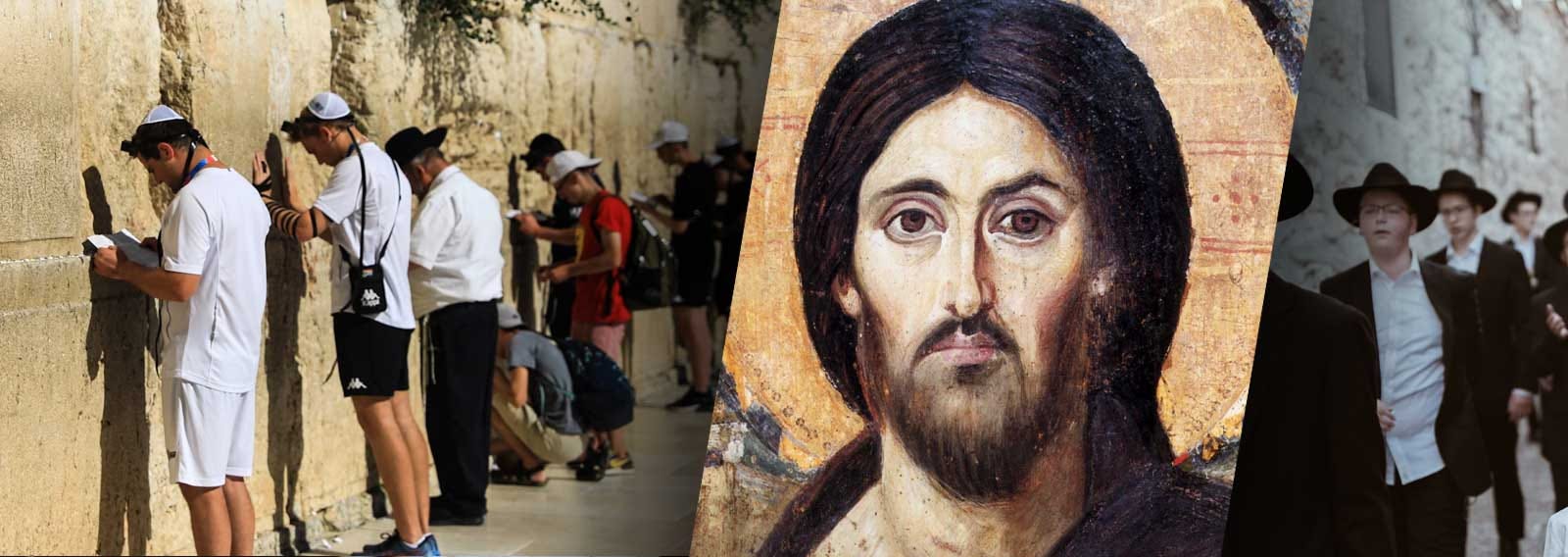
Was Jesus a Jew? This might sound like a strange question. Surely the answer is obvious to anyone who has read the Gospels. And yet, debates around Jesus’ “Jewishness” persist. Some argue it is obvious that Jesus was a Jew. Others argue just as confidently that he obviously was not. Both sides seem equally convinced that the matter is obvious. So, which is it? Is Jesus a Jew, or is he not?
I’d suggest it’s quite possible that both sides are correct, without any fear of contradiction. Why? Because the answer depends entirely on how one defines the label “Jew.” What is obvious is that not everyone means the same thing when they use the term, and that’s where the confusion begins.
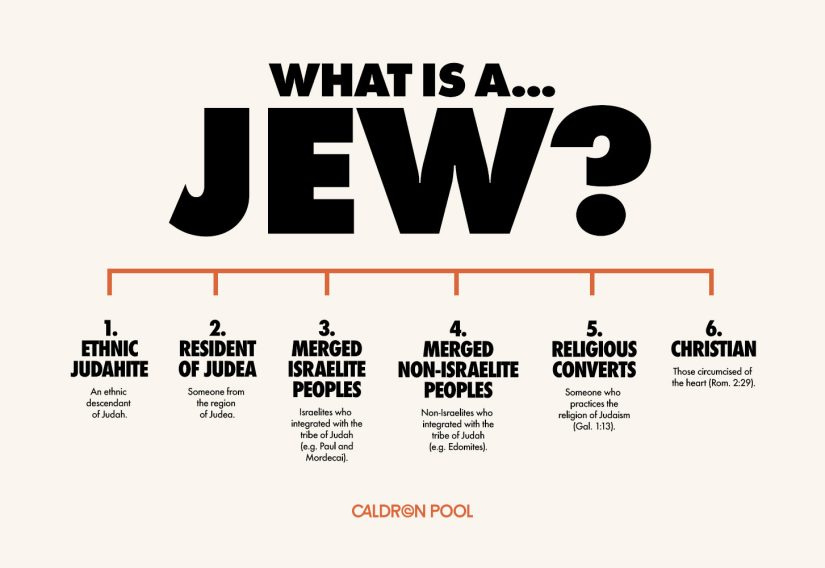
To answer whether Jesus is a Jew, we first need to define what we mean by “Jew.” The confusion arises when we assume the word has only one meaning. In reality, it has come to carry several distinct definitions. This includes:
1. Ethnic Judahite: First, “Jew” may refer to an ethnic descendant of Judah. In this sense, the term is simply a shortened form of Judahite.
2. Resident of Judea: Second, “Jew” can refer to someone from the region of Judea—essentially as a demonym or geographic label for a Judean.
3. Merged Israelite Peoples: Third, the Bible sometimes uses “Jew” as a collective term for Israelites who were integrated with the tribe of Judah. For example, the first individual in our English Bibles described as a “Jew” is Mordecai the Benjaminite (Esther 2:5). Similarly, the Apostle Paul identified himself as a “Jew” (Acts 22:3), despite being from the tribe of Benjamin (Phil. 3:5).
4. Merged Non-Israelite Peoples: Fourth, the term has also been applied to non-Israelites who came to be identified with the Jews, such as King Herod the Great, who was an Idumean. Though not ethnically descended from Judah, Herod was politically Jewish. In 40 B.C., the Roman Senate, with the support of Mark Antony and Octavian, officially appointed him “King of the Jews” (rex Iudaeorum). Herod took this title seriously, so much so that he oversaw the renovations of the Temple in Jerusalem. This historical context helps explain his paranoia and murderous reaction to the announcement of the birth of Jesus, the true “King of the Jews” (Matt. 2:2).
During the “Intertestamental Period”—the 400 years between the Old and New Testament—the Hasmonean ruler John Hyrcanus I launched a military campaign against the Idumeans (also known as the Edomites). After conquering major cities, he forcibly converted them to Judaism. The conversion was so thorough that, from this time on, the Edomites were recognised as “Jews.”
Flavius Josephus recounts this in Antiquities of the Jews:
“Hyrcanus took also Dora and Marissa, cities of Idea, and subdued all the Idumeans; and permitted them to stay in the country, if they would circumcise their genitals, and observe the laws of the Jews; and they were so desirous of living in the country of their forefathers, that they submitted to circumcision, and to the rest of the Jewish way of life. At which time, therefore, they were hereafter no other than Jews.”
Antiquities 13.257-258
5. Religious Converts: Finally, a “Jew” may simply refer to someone who practices the religion of Judaism, regardless of their ethnic background.
Given these varying definitions, we can say that Jesus fits some of them, but not all. Whether or not he was a “Jew” depends entirely on which definition you use.
According to the genealogies in the Gospels, Jesus was an ethnic descendant of Judah (Luke 3:31). In that sense, he could be called a “Jew”—as a Judahite. Though he was raised in Galilee, he was born in Judea (Matt. 2:1), and thus could also be called a “Jew” in the sense of being a Judean.
However, Jesus did not adhere to the religion of Judaism, not as it is practised today, and not as it was practised in the first century. He rejected the traditions of the religious elders and their interpretation of the Scriptures, which is why the Jewish leadership accused him of blasphemy and undermining their religion. This accusation became their justification for seeking the death penalty (Mk. 14:63-64; cf. Mk. 7:6-9; Matt. 15:3-9; 23:1-36; Jn. 5:39-47).
So, the question of whether Jesus was a Jew is not as simple as it might first seem, which is why the debate continues. The answer depends entirely on the specific definition being used. Today, the term “Jew” carries multiple meanings, depending on the context, and this plurality is no doubt the cause of the confusion.
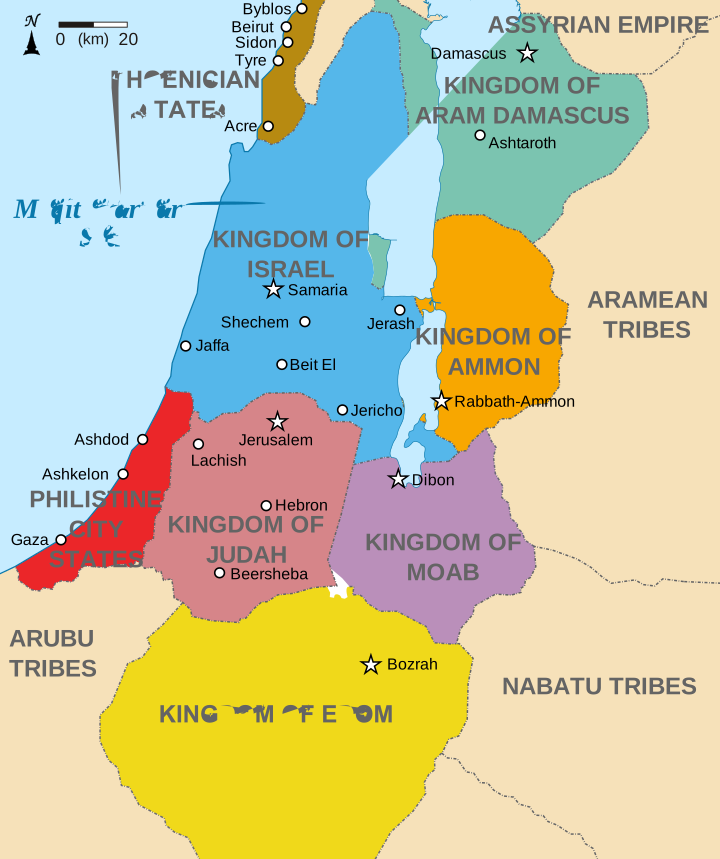
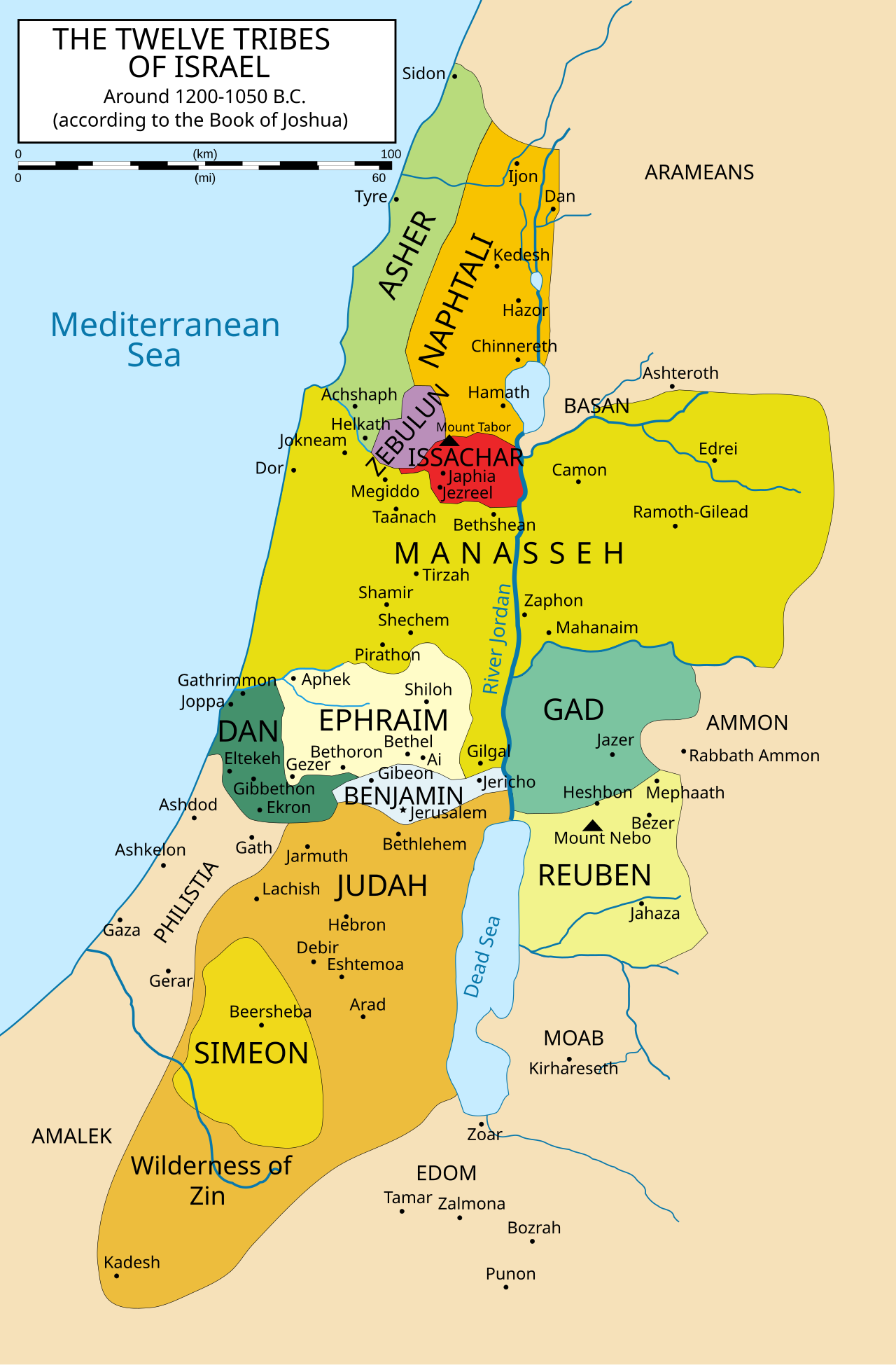
On a side note, an interesting detail often overlooked is the “Jewishness” of Jesus’ disciples. As James B. Jordan has pointed out, all but one of the twelve appear to have been from the region of Galilee, located north of Judea. This region was historically allotted to the tribes of Asher, Zebulun, Naphtali, and Issachar (Judges 4–8). When the ten northern tribes broke away from Judah during the reign of Rehoboam, Solomon’s son, Galilee became part of the northern kingdom of Israel, which was later taken into Assyrian captivity in 722 BC.
Those Israelites who remained faithful or later returned were gradually absorbed into the southern kingdom, and over time, their descendants were generally referred to as “Jews.” Nevertheless, the Gospels reveal that the Judeans still looked down on Galileans (Jn. 1:46; 7:52), viewing them as ethnically and religiously compromised due to their proximity to Gentile populations—hence the region was called “Galilee of the Gentiles” (Isa. 9:1; Matt. 4:15; Acts 2:7). While Galileans were not held in quite the same contempt as Samaritans, they were still considered suspect by the Judean elite.
In this sense, most of the disciples could potentially align with the third definition—Israelites who merged with Judah. The only clear exception among the twelve disciples was Judas Iscariot. His name—Ish Kerioth (“man of Kerioth”)—suggests he may have been from Judea.
Theologically, this background offers a glimpse into the broader redemptive plan: the makeup of Jesus’ disciples hints at the coming fulfilment of the Abrahamic promise—that through the seed of Abraham, the blessing of the Gospel would extend to all Gentiles (Gal. 3:8).
So, before we light the execution pyre, we should first ask exactly what is meant by the word “Jew.” Our disagreement may not lie in theology or history, but in which of the five definitions we happen to be using.